Contents
Advanced Symptoms Of COPD

As COPD progresses, the symptoms become more pronounced and debilitating. Chronic bronchitis, characterized by a long-term cough with mucus, becomes a common occurrence. This is not to be confused with acute bronchitis, which is temporary and can be caused by infections.
Respiratory infections become more frequent in individuals with advanced COPD. The compromised lung function makes it harder for the body to fend off infections like pneumonia. Other symptoms to be wary of include cyanosis, where the skin takes on a bluish hue due to reduced oxygen levels, and unexpected weight loss or muscle weakness.
Complications Arising From COPD
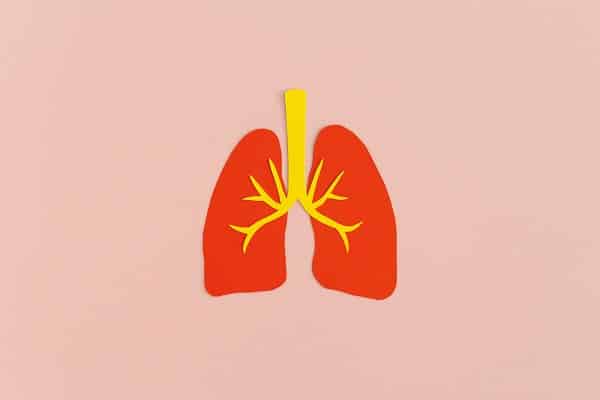
Untreated or poorly managed COPD can lead to a host of complications. Respiratory failure, where the lungs can’t supply the body with the necessary oxygen or can’t remove carbon dioxide efficiently, is a severe concern. This can be life-threatening and might require mechanical assistance to breathe.
Heart problems are another potential complication. COPD can increase the risk of heart disease, including heart attacks. The strain on the lungs can affect the heart’s function, leading to conditions like cor pulmonale, where the right side of the heart enlarges and fails due to chronic lung disease.
Importance Of Early Detection
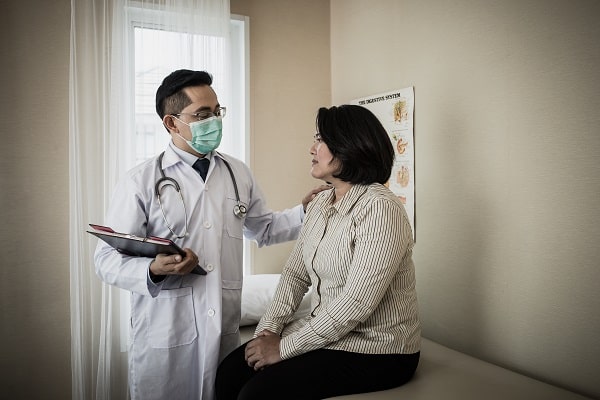
Detecting COPD in its nascent stages can make a world of difference in its management. Early diagnosis allows for interventions that can slow the disease’s progression, ensuring a better quality of life for the patient. Moreover, it reduces the risk of severe complications that can arise from advanced COPD.
Regular screenings, especially for those at risk, are paramount. Simple tests like spirometry can measure lung function and detect any abnormalities. Coupled with a detailed medical history and physical examination, it can provide a comprehensive understanding of one’s lung health.
Living With COPD

A COPD diagnosis, while daunting, doesn’t spell the end of a fulfilling life. With the right interventions and lifestyle changes, individuals can manage their symptoms and lead active lives. Quitting smoking, for instance, is the single most effective step one can take. Avoiding pollutants, ensuring a clean living environment, and adhering to prescribed treatments can also make a significant difference.
Regular medical check-ups are crucial. These allow for monitoring of the disease’s progression and any necessary adjustments in treatment. Support groups, both online and offline, can offer invaluable advice, shared experiences, and a sense of community for those living with COPD.
The Bottom Line
COPD, with its widespread prevalence, remains a pressing health concern. Understanding its causes and recognizing its symptoms early on can pave the way for effective management and a better quality of life. It’s a testament to the importance of awareness, regular screenings, and proactive health measures. For those living with COPD or those who know someone exhibiting symptoms, seeking medical advice and intervention can make all the difference.