Diabetes has rapidly emerged as one of the foremost public health challenges of the 21st century. With a growing number of individuals affected worldwide, understanding its root causes and possible interventions is essential. One of the most influential factors in managing, controlling, and even reversing diabetes symptoms lies in dietary choices. By being informed about what foods promote better blood sugar control and overall health, individuals can take proactive steps to mitigate the adverse effects of the disease and enhance their quality of life.
Eat More Fruits And Vegetables
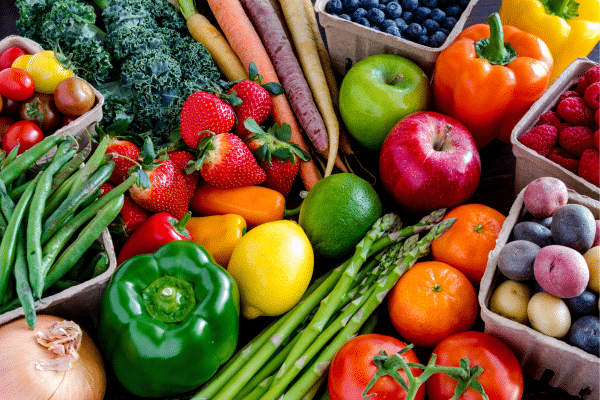
Fruits and vegetables serve as nutritional powerhouses, teeming with essential vitamins, minerals, and dietary fiber. These natural foods play a pivotal role in stabilizing blood sugar levels. For instance, the fiber found in them can slow the absorption of sugar, resulting in smoother blood sugar spikes and troughs. Moreover, these foods are usually low in calories and high in volume, making them excellent choices for those looking to manage their weight—a critical factor for those with diabetes.
Certain fruits and vegetables stand out as particularly beneficial for individuals with diabetes. Leafy greens such as spinach, kale, and chard are low in carbs but high in nutrients, ensuring minimal impact on blood sugar. Similarly, berries like blueberries and strawberries contain powerful antioxidants that combat inflammation and provide a low-glycemic fruit option. Consuming a variety of these foods ensures a balanced and beneficial diet that addresses the needs of those seeking to manage or reverse diabetic symptoms.
Avoid Processed Foods

Processed foods have become ubiquitous in modern diets but often come at a hidden health cost. Many of these products contain added sugars, unhealthy fats, and a plethora of additives and preservatives that can wreak havoc on blood sugar levels. When consumed frequently, these foods can lead to rapid spikes in glucose, stressing the body’s insulin response and exacerbating diabetes complications.
Furthermore, processed foods often have a diminished nutritional profile compared to their whole-food counterparts. The refining process can strip away essential nutrients, leaving behind empty calories that provide little satiety. For those with diabetes, making a conscious effort to limit the intake of heavily processed items and leaning towards whole foods can lead to improved blood sugar control, better overall health, and a reduced risk of diabetes-related complications.
Prioritize Protein Sources

Protein is essential for numerous reasons, from building and repairing tissues to producing enzymes and hormones. For those with diabetes, protein offers another advantage: it doesn’t directly raise blood sugar. Consuming adequate protein can provide feelings of fullness, which can help curb overeating and the intake of excessive carbs. Lean meats, tofu, legumes, and nuts are just a few examples of healthy protein sources that can be integrated into a balanced diet.
However, it’s crucial to make informed choices about protein sources. While protein-rich foods are beneficial, some can come laden with unhealthy fats or excessive sodium. For example, processed meats like sausages and bacon might be high in protein, but they also contain elements that aren’t ideal for overall health, especially for those with diabetes. Opting for natural, unprocessed protein sources can contribute to better blood sugar control and overall health.