Contents
Economic And Environmental Consequences

Poor indoor air quality doesn’t only affect our health but also hits our pockets. There’s the direct economic impact, where households spend more on healthcare due to ailments caused by indoor air pollutants. It might range from regular visits to a doctor to treat respiratory irritations to more serious medical treatments for conditions exacerbated by poor air quality.
Then there’s the broader environmental perspective. Homes that suffer from poor air quality often also suffer from energy inefficiencies. For instance, a poorly ventilated home might rely more on air-conditioning or heating, leading to higher energy consumption and a larger carbon footprint. On a global scale, as more households face such issues, the cumulative energy consumption and its environmental impact can be staggering.
Measuring And Monitoring Air Quality
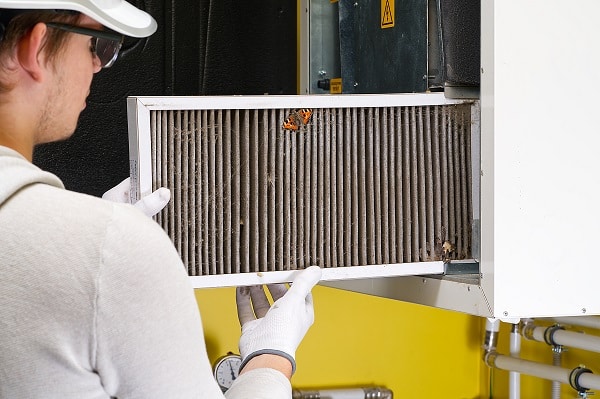
Acknowledging the problem is the first step to finding a solution. Today, various indoor air quality monitors are available in the market, providing real-time data on pollutant levels in homes. These devices can identify elevated levels of specific pollutants, acting as an early warning system for homeowners.
Besides modern technology, there are traditional indicators of poor air quality. The presence of mold, persistent unusual odors, or even excessive humidity can be warning signs. Ensuring regular maintenance checks, like inspecting HVAC systems or checking for mold, can help in the early detection and rectification of air quality issues.
Simple Steps To Improve Indoor Air Quality

Fortunately, the path to cleaner air at home doesn’t necessarily require complex interventions. One of the most effective methods is simply improving ventilation, which can be achieved by regularly opening windows and doors to let fresh air in, effectively diluting indoor pollutants.
Regular cleaning, especially vacuuming carpets and dusting surfaces, can greatly reduce particulate matter in the air. Opting for air purifiers can enhance air quality, especially in homes with allergic individuals. Making informed choices, like selecting natural cleaning products over those laden with chemicals and avoiding aerosol sprays, can also contribute significantly to a cleaner indoor environment.
The Role Of House Plants In Cleaning the Air
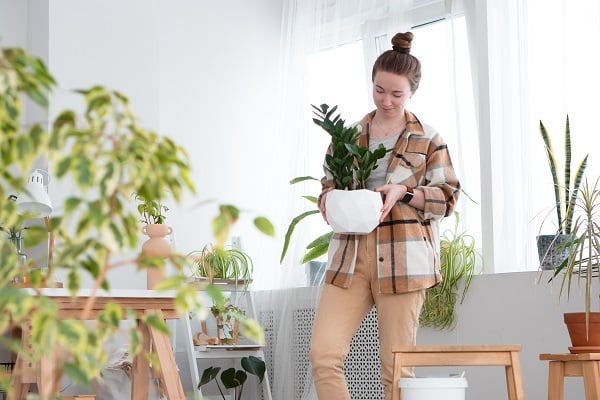
Nature offers its solutions too. According to NASA’s Clean Air Study, certain houseplants have the potential to purify indoor air. Plants like the spider plant, peace lily, and Boston fern are aesthetically pleasing and act as natural air purifiers.
But the benefits of houseplants don’t stop at air purification. They also play a role in maintaining optimum humidity levels indoors. Additionally, their presence has been linked to enhanced mental well-being, making them a holistic addition to any home.
Future Technologies And Innovations In Air Purification

As technology advances, so do our methods of ensuring clean air. The next generation of air purifiers leverages technologies like UV light sanitation to eliminate bacteria and viruses. Even devices are now integrating artificial intelligence to predict and adjust to real-time air quality changes.
With the rise of smart homes, there’s a burgeoning integration of indoor air quality monitors with other home automation systems. These integrations can offer alerts about deteriorating air quality or even automatically adjust HVAC systems to enhance ventilation when needed.
The Bottom Line
The emphasis on clean air at home is more than a lifestyle trend; it’s necessary for holistic health and well-being. From understanding the root causes of indoor pollution to adopting simple practices and leveraging technology, everyone can play a part in ensuring their homes are sanctuaries of clean air. Embracing these practices promises a healthier living environment and paves the way for a more sustainable and harmonious coexistence with our planet.