Soda, with its effervescent fizz and sweet taste, has become a staple in many diets worldwide. Its cultural significance, driven by powerful marketing campaigns, has made it a go-to beverage for many. Yet, beneath the allure of its bubbly charm lies a series of health risks that manifest with excessive consumption. As you delve deeper, it’s crucial to understand the long-term effects drinking too much soda has on your body and overall well-being.
The Allure Of Soda

Soda’s appeal isn’t just about its taste. The experience of opening a can, hearing the fizz, and feeling the bubbles dance on the tongue creates a sensory delight that many find irresistible. This experience, combined with the caffeine kick that many sodas provide, makes it a preferred choice for a quick energy boost.
Moreover, the cultural significance of soda cannot be overlooked. Major soda brands have seamlessly integrated themselves into daily life, sponsoring major events and becoming synonymous with celebrations and good times. This cultural embedding, backed by massive marketing campaigns, has solidified soda’s place in many people’s routines, often overshadowing the potential health risks.
Sugar Overload
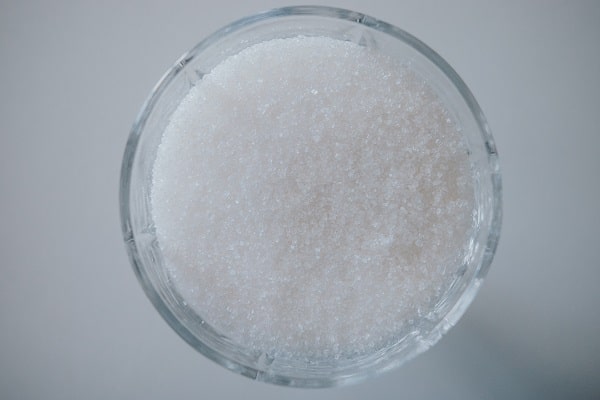
One of the primary concerns with soda is its high sugar content, especially in the form of high fructose corn syrup. This sweetener, found in many sodas, can lead to rapid spikes in blood sugar followed by inevitable crashes. These fluctuations not only affect energy levels but also play a significant role in the development of insulin resistance, a precursor to type 2 diabetes.
The excessive sugar in soda also contributes directly to weight gain. When the body receives more sugar than it can use for energy, it stores the excess as fat. Over time, regular soda drinkers may find themselves battling obesity, a condition that brings along a host of other health issues. The empty calories from soda, devoid of any nutritional value, make it a significant contributor to the obesity epidemic.
Impact On Dental Health

Soda’s sugar content is a known culprit for dental issues, but it’s not just the sugar that’s problematic. The acidic nature of sodas can lead to the erosion of tooth enamel, the protective layer on your teeth. Once this enamel is weakened or damaged, teeth become more susceptible to cavities and decay.
Additionally, the dark coloring in many sodas can lead to staining and discoloration of the teeth. Regular soda drinkers often find their smiles dulled over time, with teeth taking on a yellowish hue. Beyond aesthetics, the combination of sugar and acid in soda creates a perfect environment for bacteria to thrive, further increasing the risk of dental problems.
Weakening Of Bones

Soda consumption, especially in large amounts, has also been linked to decreased bone density. One of the reasons is the high phosphoric acid content in many sodas, which can interfere with the body’s ability to absorb calcium. Calcium is essential for strong bones, and a deficiency can lead to brittle bones prone to fractures.
Moreover, excessive soda consumption can lead to a decrease in overall milk intake, a primary source of calcium for many. As individuals replace milk with soda, they miss out on this vital nutrient, further exacerbating the risk of osteoporosis and other bone-related issues. The long-term implications of weakened bones can be severe, especially in older age, when bone fractures become more common and recovery is slower.
Kidney Concerns

The kidneys play a vital role in filtering waste from your blood, and their health is paramount for overall well-being. However, excessive soda consumption, particularly colas, introduces high levels of phosphoric acid into the system. Over time, this can strain the kidneys and increase the risk of developing kidney stones, painful crystalline formations within the organ.
Beyond just kidney stones, there’s growing concern about the link between long-term soda consumption and chronic kidney disease. The high sugar content, combined with other ingredients in soda, can overwork the kidneys, leading to decreased function over time. As kidney function diminishes, the body’s ability to filter out toxins reduces, leading to a host of health complications.