Contents
Impact On Daily Life
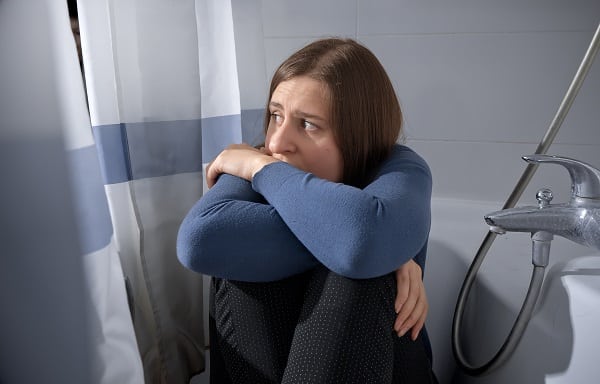
Living with hypochondriasis can be incredibly taxing, both socially and economically. Socially, individuals might find themselves avoiding certain activities or places for fear of contracting illnesses. This can lead to isolation, as they might decline invitations or avoid public places. Relationships can become strained as loved ones might struggle to understand or empathize with the constant health concerns, leading to feelings of frustration or helplessness.
Economically, the implications are profound. Frequent medical visits, even when unwarranted, can lead to mounting medical bills. The pursuit of a definitive diagnosis might push someone to undergo unnecessary medical tests, which not only burdens the healthcare system but also results in personal financial strain. This economic impact can further exacerbate stress, creating a vicious cycle of anxiety and health concerns.
Genuine Concern Vs. Hypochondriasis

It’s natural for everyone to be concerned about their health from time to time. However, distinguishing between genuine health concerns and hypochondriasis is crucial. A key difference lies in the duration and intensity of the worry. While most people might fret over a symptom for a short while, hypochondriacs remain fixated on it, even in the face of reassuring medical evidence.
Another distinguishing factor is the impact on daily functioning. Genuine health concerns might lead to temporary anxiety, but they don’t typically interfere with one’s ability to lead a normal life. In contrast, hypochondriasis can be all-consuming, dominating thoughts and actions and leading to significant disruptions in daily activities, relationships, and overall well-being.
Treatment Options

Addressing hypochondriasis requires a multifaceted approach. Cognitive Behavioral Therapy (CBT) has shown promise in treating this condition. Through CBT, individuals learn to challenge and change unhelpful thought patterns, helping them develop a more balanced view of their health. By recognizing and addressing these cognitive distortions, they can reduce the intensity and frequency of their health-related fears.
Medication can also be beneficial, especially if there’s an underlying anxiety or depressive disorder. Antidepressants or anti-anxiety medications can help regulate mood and reduce the severity of health anxieties. However, it’s essential to approach medication as part of a broader treatment plan, which might include therapy, lifestyle changes, and coping strategies.
Coping Mechanisms

Living with hypochondriasis can be challenging, but there are several coping mechanisms that can help manage the condition. Seeking support groups, either in-person or online, can provide a safe space to share feelings and experiences. Hearing from others who are going through similar struggles can offer comfort and perspective. Additionally, setting boundaries on health-related searches can prevent the spiral of anxiety that often accompanies online symptom checking.
Mindfulness and meditation practices can also be beneficial. These techniques help ground individuals in the present moment, diverting attention away from distressing thoughts about potential illnesses. Journaling can be another effective tool, allowing individuals to track their symptoms, worries, and triggers, providing insight into patterns, and helping in discussions with healthcare professionals.
When To Seek Help

Recognizing when concern has crossed the line into obsession is crucial. If health anxieties begin to dominate daily thoughts, interfere with daily activities, or lead to excessive medical visits, it might be time to seek professional help. It’s essential to remember that hypochondriasis is a legitimate condition, and seeking assistance is not a sign of weakness but rather a step towards better mental health.
The importance of a professional diagnosis cannot be overstated. While friends and family might offer reassurance, a trained mental health professional can provide the necessary tools and strategies to manage and overcome the condition. Early intervention can prevent the condition from worsening and help individuals lead a more balanced, anxiety-free life.
Hypochondriasis, or illness anxiety disorder, is more than just a simple health concern. It’s a complex condition that intertwines with our psychology, daily routines, and relationships. While it’s natural to be concerned about one’s health, it’s essential to recognize when these concerns become debilitating. By understanding the nature of hypochondriasis, its triggers, and its impact, individuals can seek the proper treatment and support. Remember, seeking help is a sign of strength, and with the right tools and strategies, one can navigate the challenges of hypochondriasis and lead a fulfilling, worry-free life.