

Spices have punctuated cuisines around the world, each bringing a unique flavor and aroma to dishes. But beyond their culinary appeal, these powerful ingredients have been revered for their potential health benefits for centuries. From the aromatic kitchens of Asia to the robust flavors of Mediterranean meals, spices have played a pivotal role not just as taste enhancers but also as vital components in traditional medicines. As science continues to explore their properties, it’s clear that certain spices might offer more than just a burst of flavor.
Turmeric
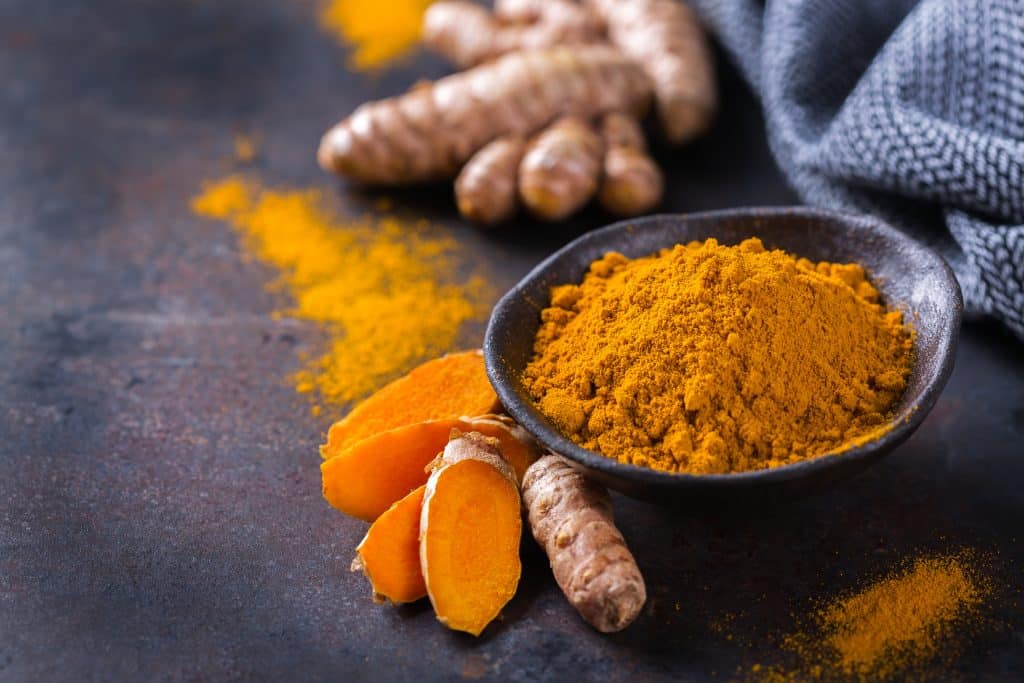
Anciently rooted in Ayurvedic medicine, turmeric holds a special place in Asian cultures. It isn’t merely a golden-hued agent for curries but a potential reservoir of health benefits. Curcumin, its active ingredient, is renowned for its anti-inflammatory attributes. Research has hinted at its effectiveness in possibly reducing risks associated with heart disease, and even certain neurological disorders.
Further investigations have shown potential benefits in brain health, with suggestions that turmeric can increase brain levels of Brain-Derived Neurotrophic Factor (BDNF), a growth hormone that functions in the brain. Furthermore, there is emerging evidence that indicates its potential role in addressing symptoms of arthritis and even exhibiting anti-depressant effects. As with all spices, moderation is key, and turmeric is no exception.
Ginger

Ginger’s warm and spicy zing has made it a favorite in teas, dishes, and traditional remedies across various cultures. It has been praised for its potential to soothe digestive discomforts and is often recommended for its anti-nausea effects. Not just limited to stomach relief, ginger has demonstrated anti-inflammatory properties which can be instrumental in potentially reducing muscle pain and soreness.
Beyond the immediate soothing effects, ginger has shown promise in the realm of metabolic health. Several studies hint at ginger’s potential in reducing blood sugar levels, which can be a boon for diabetic patients. Additionally, its active compounds might play a role in lowering cholesterol, providing a holistic approach to heart health. As always, including ginger in one’s diet should be approached with knowledge and moderation.
Rosemary
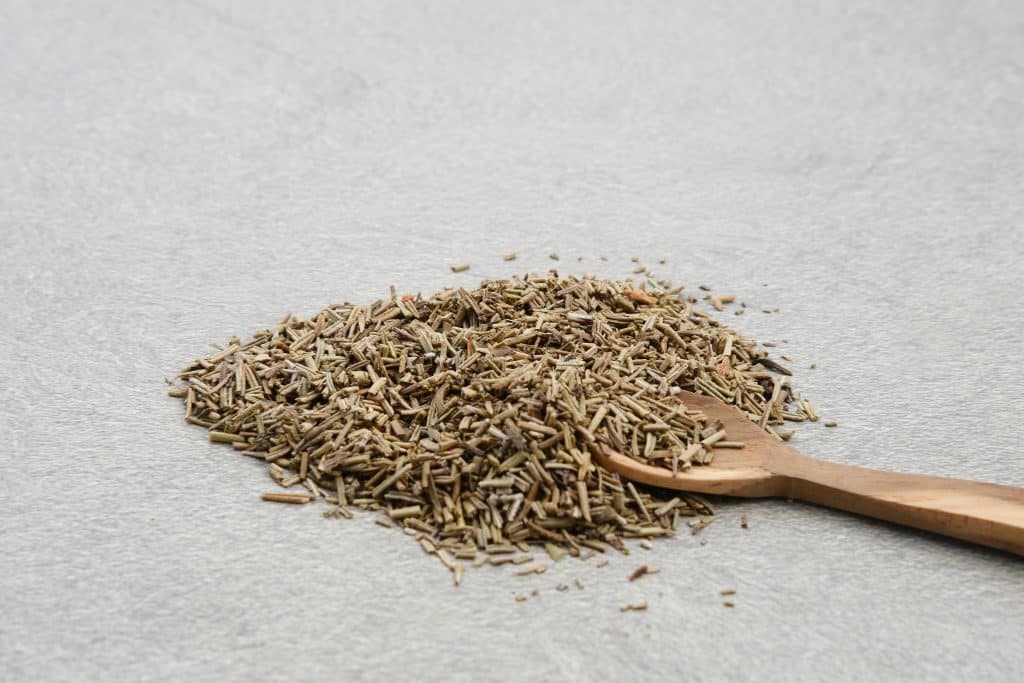
Steeped in history and folklore, rosemary was often associated with memory enhancement in ancient civilizations. This aromatic herb, commonly found enhancing the flavors of Mediterranean cuisine, is packed with antioxidants and anti-inflammatory compounds. Researchers are keenly interested in its potential role in neuroprotection, as some findings suggest that rosemary might offer a shield against age-related cognitive decline and certain brain diseases.
Boosting more than cognitive health, rosemary also supports the immune and circulatory systems. Rich in compounds like rosmarinic acid, it might act as a natural defense against harmful bacteria and pathogens. Additionally, regular inclusion of rosemary in dishes can offer circulatory benefits, possibly aiding in improved blood flow and overall heart health.
Cinnamon

A beloved spice in both savory and dessert dishes, cinnamon has a reputation that goes beyond its sweet and warming aroma. It’s packed with antioxidants, standing out even when compared to other superfoods. These antioxidants can combat oxidative stress in the body, potentially reducing the risk of chronic diseases. Furthermore, one of the standout benefits of cinnamon is its potential in managing blood sugar levels, making it a topic of interest for those with diabetes or metabolic syndrome.
But the list of cinnamon’s potential health benefits doesn’t end there. Inflammation, which is linked to a host of chronic illnesses, can be mitigated by anti-inflammatory compounds, and cinnamon is rich in these. Its compounds also show promise in supporting cardiovascular health, with some studies indicating a reduction in bad LDL cholesterol, triglycerides, and stable levels of good HDL cholesterol.