
Increases Relaxation

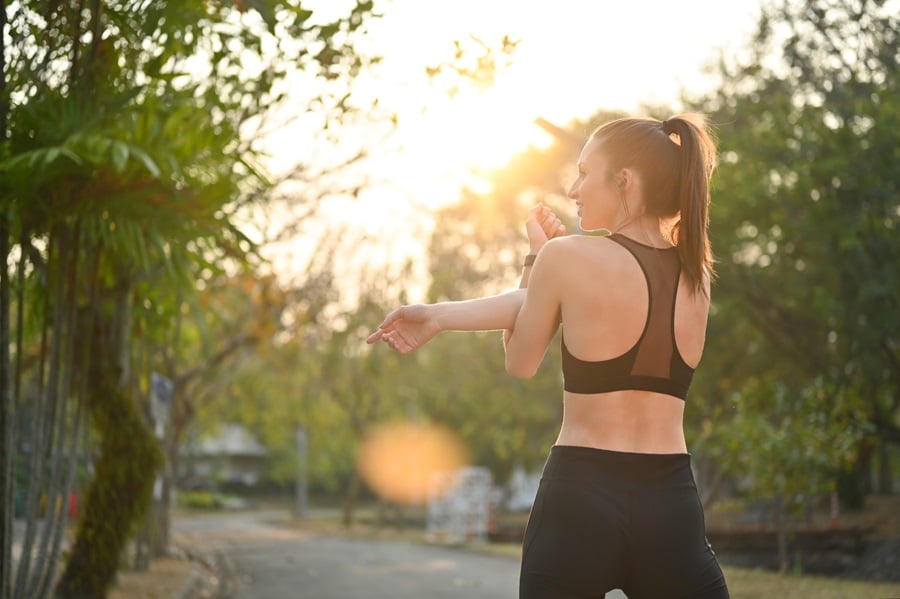
Engaging in flexibility exercises, such as stretching or yoga, can promote relaxation. These activities often involve slow, gentle movements that help calm the mind and release physical tension. In a society where stress and fast-paced living are common, finding strategies to promote relaxation is very important. Flexibility exercises offer a dual benefit, improving physical well-being while also fostering mental calmness and peace.
Moreover, flexibility is closely linked to breath control, a key component in many relaxation practices. Stretching and yoga encourage deep, controlled breathing, which is known to lower stress levels and promote a sense of relaxation. In this way, improving flexibility can also contribute to better stress management and overall mental well-being.
Promotes Blood Circulation

Regular flexibility training helps to enhance blood circulation. By stretching and moving the body, flexibility exercises stimulate blood flow, ensuring that all parts of the body receive an adequate supply of oxygen and nutrients. Improved circulation is essential for overall health, contributing to better cardiovascular health, quicker recovery from physical exertion, and improved immune function.
In addition, enhanced blood circulation can contribute to increased muscle performance. With better blood flow, muscles receive more oxygen and nutrients, which are essential for their function and growth. Therefore, flexibility exercises can indirectly increase strength and improve muscle function over time.
Improves Range Of Motion

Increasing flexibility can lead to a significant improvement in the range of motion. Range of motion refers to how joints can move in different directions without discomfort or pain. Greater flexibility allows for more free movement in the joints, resulting in an increased range of motion. This is beneficial for almost every activity in daily life, from simple tasks like picking up objects from the floor to more complex ones like participating in sports or dancing.
Furthermore, an increased range of motion can reduce the likelihood of mobility issues later in life. Restricted range of motion can lead to discomfort, decreased physical activity, and, over time, potential loss of independence. By regularly practicing flexibility exercises, individuals can ensure that their joints remain healthy and mobile as they age, promoting a better quality of life.
Supports Healthy Aging
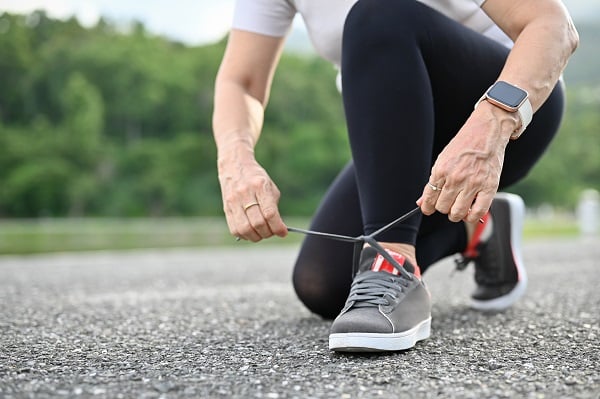
Maintaining flexibility can significantly contribute to healthier aging. With age, the body’s muscles and tendons naturally become less flexible, potentially limiting mobility and physical activity. Regular flexibility exercises can help counteract these changes, ensuring the body continues moving freely and without discomfort.
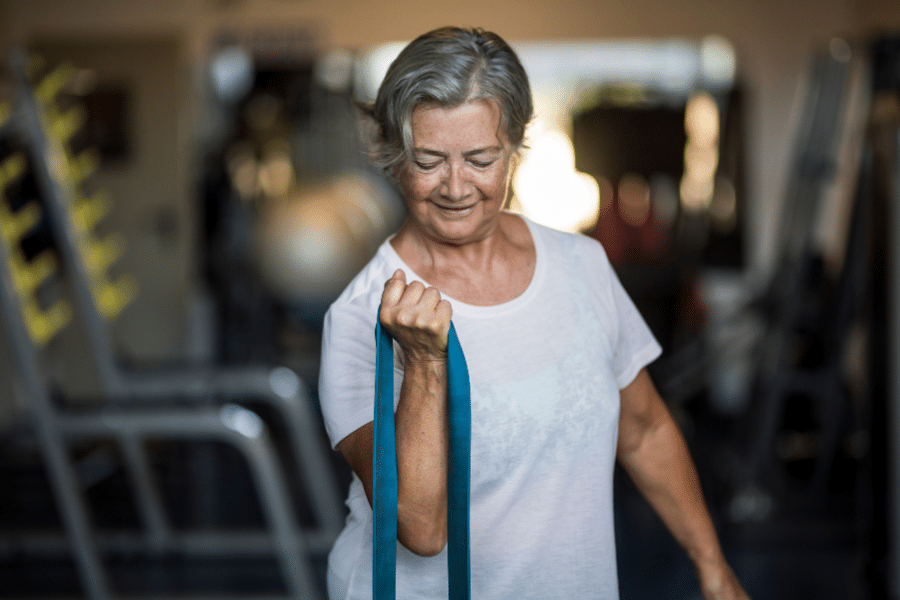
Moreover, numerous studies have linked flexibility training with improved quality of life in older adults. Regular stretching has been shown to enhance balance, coordination, and overall mobility, reducing the risk of falls and injuries in older adults. By incorporating flexibility exercises into a regular routine, individuals can better manage the physical changes associated with aging, leading to a more active and fulfilling lifestyle.
The Bottom Line
The benefits and importance of flexibility are numerous, impacting nearly every aspect of physical health and performance. Flexibility reduces injury risk, enhances performance in physical activities, improves posture, promotes relaxation, improves blood circulation, and supports a healthy range of motion. Moreover, maintaining flexibility as one ages can greatly contribute to an active and fulfilling lifestyle. To reap these benefits, regular flexibility exercises should be an integral part of everyone’s routine. As each person’s flexibility level is different, it is crucial to start slow, gradually increase the intensity, and most importantly, be consistent. Incorporating flexibility exercises into daily life is an investment in long-term health and well-being.