
Vitamin K: Benefits And Risks

Vitamin K is essential for blood coagulation, commonly known as blood clotting, which helps the body prevent excessive bleeding. Furthermore, it supports bone health and regulates blood calcium levels. Vitamin K is found in leafy green vegetables, vegetable oils, and fruits.
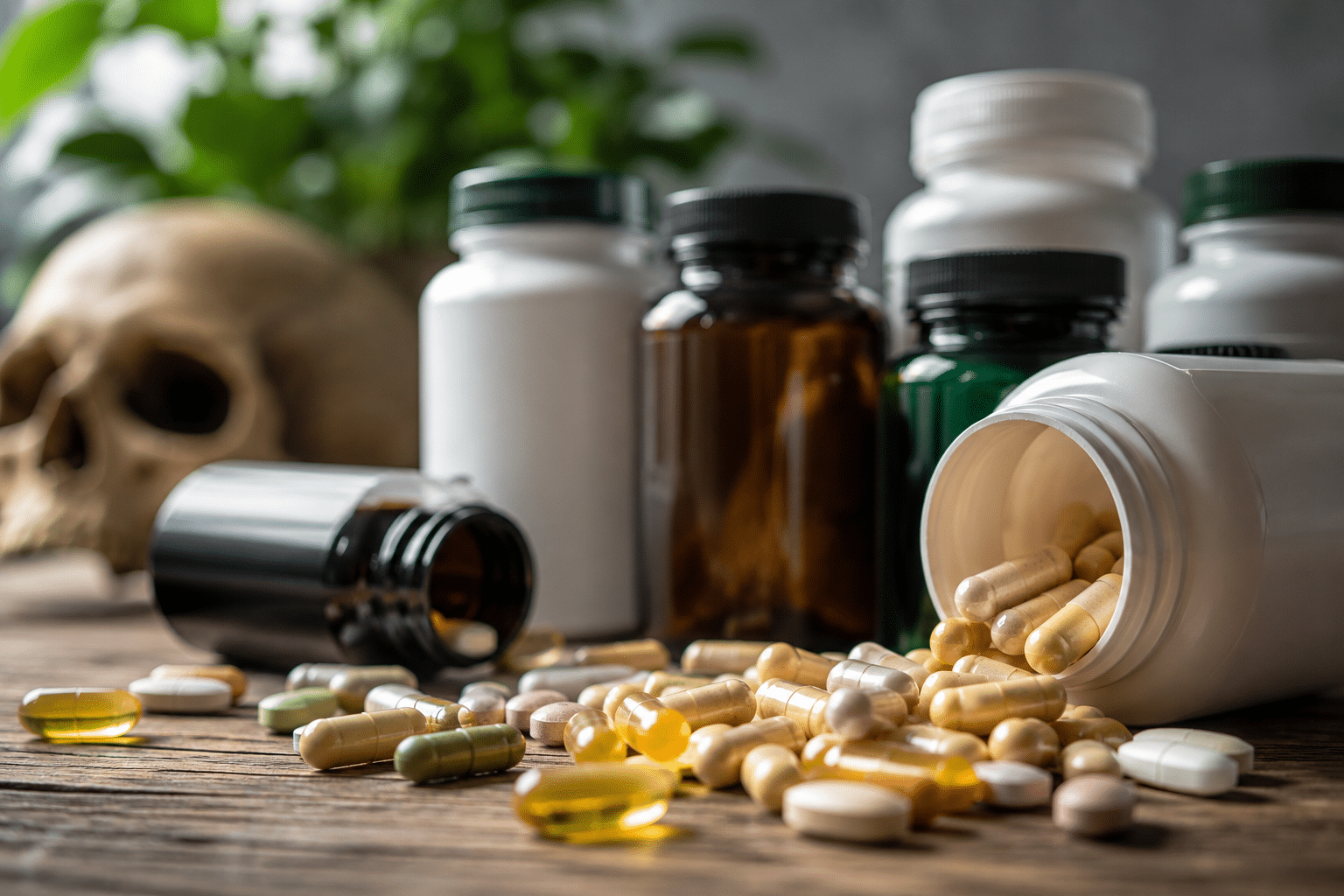
While Vitamin K toxicity is rare, it can occur with the excessive intake of Vitamin K supplements. Symptoms of toxicity can include jaundice in newborns and reduced efficacy of certain blood-thinning medications. In severe cases, it can cause the breakdown of red blood cells leading to liver damage. It’s important to understand that the risk of toxicity is mainly from supplements, not food sources.
Factors Influencing Vitamin Toxicity

The toxicity of fat-soluble vitamins is not just a matter of how much one consumes. Individual differences, including body size, age, and overall health, can significantly influence how the body stores and uses these vitamins. For example, a person with a high-fat diet may store more of these vitamins than someone with a low-fat diet.
Furthermore, underlying health conditions and genetic factors can affect vitamin absorption and metabolism. Certain medications can also interact with these vitamins, increasing the risk of toxicity. Therefore, it’s always wise to consult a healthcare professional when considering high-dose supplementation.
Mitigation And Treatment Of Vitamin Toxicity

Prevention is the first and most crucial step in mitigating vitamin toxicity. This involves understanding the recommended daily allowances for these vitamins and adhering to these guidelines. Most people can get the required vitamins through a balanced diet without supplements.
However, in cases where vitamin toxicity occurs, treatment usually involves stopping the excessive intake of the vitamin. In more severe cases, medical intervention may be necessary. Early diagnosis and treatment can usually resolve the problem without causing long-term health problems.
The Balance: Optimum Vitamin Intake

The key to optimum vitamin intake is a balanced diet. A diet rich in fruits, vegetables, lean proteins, and healthy fats should provide these fat-soluble vitamins. Supplements should be considered as a secondary source and used judiciously.
The concept of “too much of a good thing” applies well to fat-soluble vitamins. While they are vital for our bodies, an excess can lead to toxicity and health problems. It’s essential to remember that more is not always better regarding vitamins.
The Bottom Line
Understanding the benefits and potential toxicity risks of fat-soluble vitamins – A, D, E, and K – is crucial in maintaining a balanced diet and overall good health. It’s important to remember that these vitamins, while necessary, can lead to toxicity if consumed excessively, particularly through overuse of supplements. A balanced diet remains the best source of these vitamins, with supplementation used carefully under healthcare professionals’ guidance. Ultimately, the key is finding the balance – the optimal intake that supports our body functions without tipping into the realm of toxicity.