

Dining Out Gluten-Free

Eating out while maintaining a gluten-free diet can pose unique challenges, from avoiding cross-contamination to ensuring menu items are genuinely gluten-free. When choosing a restaurant, look for places that offer a specific gluten-free menu or are knowledgeable about gluten-free options. It can be helpful to call ahead and discuss your dietary needs with the staff.
Once at the restaurant, communicate clearly about your gluten intolerance or sensitivity. Don’t be afraid to ask questions about the preparation process and ingredients used. Some cuisines, such as Thai and Indian, naturally have more gluten-free options due to their reliance on rice and other gluten-free grains.
Gluten-Free Cooking And Baking
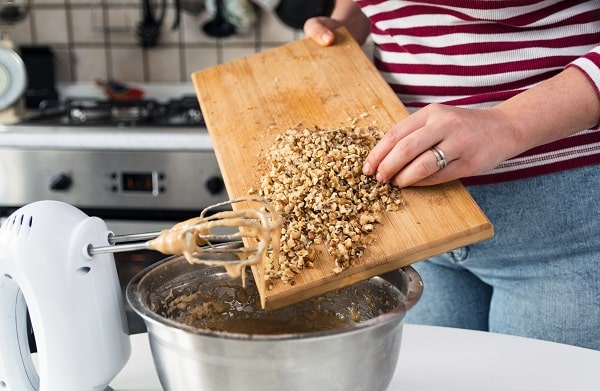
Cooking and baking at home give you the most control over your gluten-free diet. It allows you to experiment with gluten-free alternatives and create delicious meals that fit your lifestyle. For baking, gluten-free flour blends are available, which are designed to mimic the texture and taste of regular flour. Ingredients like almond flour, coconut flour, and rice flour can also be excellent alternatives.
Substitutions aren’t just for baking; in your everyday cooking, consider alternatives like zucchini noodles instead of spaghetti, or use lettuce leaves for a wrap instead of tortillas. Quinoa, buckwheat, and gluten-free oats are nutritious options for your breakfast cereal. The key is to stay open to trying new foods and experimenting with different ingredients.
Gluten-Free Nutrition

While cutting out gluten, it’s important not to compromise on overall nutrition. A common misconception is that all gluten-free foods are healthier, which isn’t necessarily the case. Some gluten-free alternatives can be low in essential nutrients, like fiber, iron, and B vitamins, which are abundant in whole-grain wheat products.
Therefore, focus on incorporating a variety of naturally gluten-free whole foods into your diet, like fruits, vegetables, lean meats, and gluten-free grains such as quinoa, rice, and millet. If needed, consider dietary supplements to meet your nutritional needs, but always consult with a healthcare provider first.
Coping With Social Situations

Navigating social situations can be tricky when you’re following a strict gluten-free diet. The key is communication and planning. When attending a party or family gathering, consider bringing your own gluten-free dish to share. Not only does this ensure that you’ll have something safe to eat, but it also introduces others to the possibilities of gluten-free cuisine.
Let your host know about your dietary restrictions in advance, most people are accommodating once they understand your needs. It’s also a good idea to eat a small gluten-free snack before the event to avoid hunger if options are limited.
Conclusion
Embarking on a gluten-free journey involves a learning curve, but with time, it becomes second nature. This guide provides you with the groundwork for understanding and adopting a gluten-free lifestyle. Remember, it’s not about focusing on what you can’t have, but rather exploring the variety of foods you can enjoy. As you navigate the gluten-free world, embrace the journey and the positive impact it has on your health and well-being.