Contents
Immune Function

The immune system, your body’s defense mechanism, is crucial for longevity, and regular exercise aids in maintaining its optimal function. Exercise promotes good circulation, allowing immune cells to move freely and perform their surveillance functions efficiently, enhancing the body’s ability to fight diseases. Regular physical activity can also help reduce inflammation, which is believed to have an essential role in the progress of many chronic illnesses.
Furthermore, regular physical activity has been shown to slow down changes that happen to the immune system with age, thus reducing the risk of infections and illnesses. By bolstering immune function and resilience, exercise can improve the body’s ability to fight off illness and keep it healthy.
Bone Health
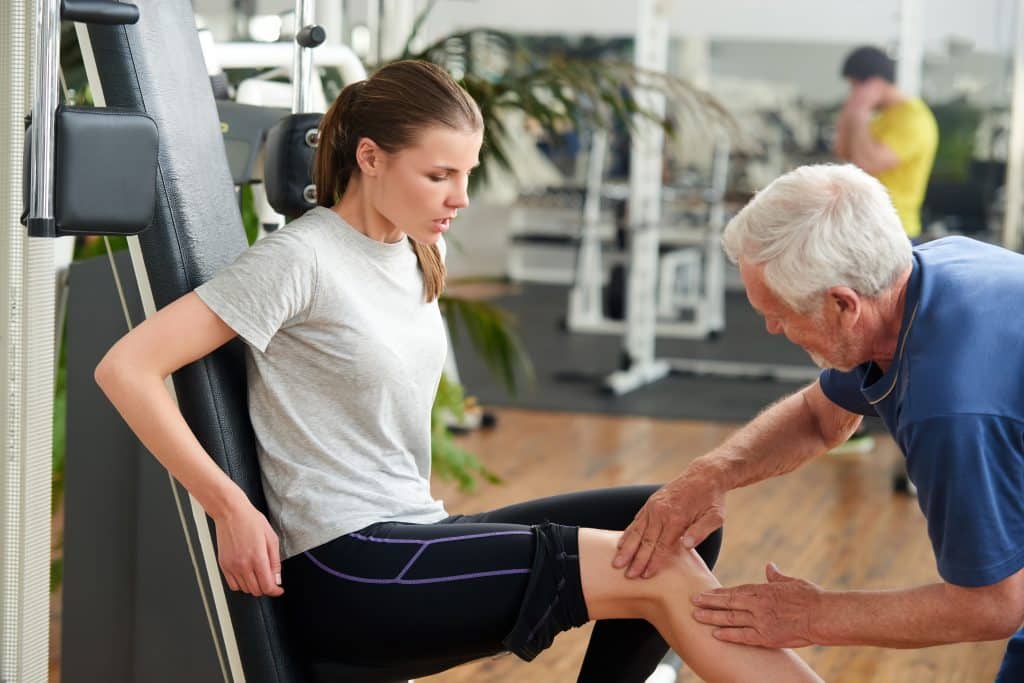
Bone health is another aspect where exercise shines. Weight-bearing and resistance exercises stimulate bone formation and slow down bone loss, crucial factors in preventing osteoporosis and fractures that can compromise one’s quality of life. And in some cases, physical activity can help increase bone mineral density, making bones stronger.
Additionally, maintaining bone health through exercise is essential for maintaining mobility and independence as you age, both crucial factors for a longer, healthier life. By promoting bone health, regular exercise ensures a strong foundation for your body, contributing significantly to longevity.
The Aging Process
Regular exercise even seems to slow down the aging process at a cellular level. It promotes the production of antioxidants in the body, which combat oxidative stress – a key player in the aging process. By reducing oxidative stress, exercise can help slow down aging and increase lifespan.
Moreover, exercise aids in preserving muscle mass and strength, which tend to decline with age. This can help maintain functionality and independence in older age, contributing to healthier aging and, consequently, a longer life.
DNA Telomeres

Recently, intriguing findings have linked exercise with telomere length. Telomeres are the end parts of your chromosomes that shorten as cells divide, acting as a biological clock of aging. Studies suggest regular physical activity is associated with longer telomeres, indicating slower cellular aging.
This fascinating research is still in its early stages, but it offers yet another perspective on how regular exercise might contribute to increased longevity. By potentially influencing the very mechanics of your cellular aging, exercise stands as a formidable tool in your quest for a long healthy life.
The Impact Of Sedentary Lifestyle On Longevity

As you delve into the benefits of exercise, it’s worth noting the flip side – the detrimental effects of a sedentary lifestyle on longevity. Lack of physical activity is associated with a higher risk of numerous chronic diseases, including heart disease, diabetes, and cancer, which can significantly shorten lifespan.
Moreover, a sedentary lifestyle can lead to obesity, deteriorating mental health, and reduced quality of life. In stark contrast to the benefits of exercise, the sedentary lifestyle serves as a stark reminder of the importance of regular physical activity in achieving longevity.
Experience The Connection Between Regular Exercise And Longevity!
From enhancing cardiovascular health to impacting your cells’ aging process, regular exercise emerges as a crucial factor in promoting longevity. The benefits are manifold and affect nearly every aspect of your health. It not only helps you live longer but also enables you to enjoy those extra years in good health. As you strive for longer, healthier lives, let’s remember to lace up those sneakers, hit the pavement, and remember the link between regular exercise and longevity!