

Importance Of Protein-Rich Foods

Protein is an essential nutrient that helps maintain muscle mass, a critical consideration as you age. It aids in tissue repair and recovery from illnesses, making it vital for a healthy diet. Aim to include lean sources of protein, such as fish, chicken, and beans, in your meals.
Simultaneously, be wary of protein sources high in saturated fats, such as certain cuts of red meat. These could increase your risk of heart disease. Hence, balance is key – ensuring adequate protein intake while still maintaining a diet low in saturated fat.
Fruits, Vegetables, And Fiber
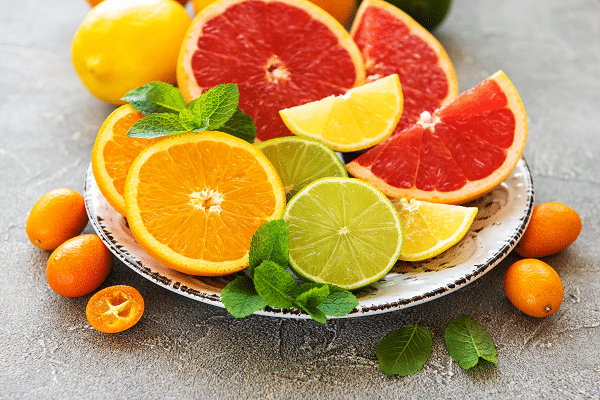
Incorporating a variety of fruits and vegetables into your diet can greatly benefit your health as you age. They are rich in vitamins, minerals, and antioxidants that boost the immune system, promote good eye health, and help fight off diseases. Additionally, they are low in calories, making them a great choice for weight management.
Fiber, commonly found in fruits, vegetables, and whole grains, plays a key role in digestion. It aids in maintaining bowel health, lowering cholesterol levels, and controlling blood sugar. As such, strive to consume a high-fiber diet to keep your digestive system in good shape.
Calcium And Vitamin D For Bone Health

The importance of calcium and vitamin D cannot be overstated when discussing nutrition for those over 50. These nutrients are crucial for maintaining bone health, and their adequate intake can prevent osteoporosis, a common condition in older adults. Dairy products, leafy green vegetables, and fortified foods are rich sources of calcium, while vitamin D can be obtained from exposure to sunlight and from foods like fatty fish and egg yolks.
It’s worth noting that absorption of these nutrients decreases with age, making it even more important to ensure you are getting enough from your diet. Consult your healthcare provider about possible supplements if you are unable to meet your needs through food alone.
The Role Of Regular Exercise

While diet is a significant factor in maintaining health as you age, it’s only one piece of the puzzle. Regular physical activity complements a balanced diet, contributing to weight management, muscle mass preservation, and improved mental health. Whether it’s walking, swimming, cycling, or practicing yoga, find an activity you enjoy and make it a part of your daily routine.
Exercise not only helps you feel more energetic and agile, but it also aids in digestion and helps regulate appetite. It’s a synergy of eating well and staying active that results in overall well-being and longevity.
The Importance Of Eating Well While Aging Is Immense
Aging gracefully isn’t just about looking good; it’s about feeling good and staying healthy. And that starts with eating well. As you cross the age of 50, your nutritional needs evolve, and it’s crucial to adapt to these changes to maintain optimum health. With conscious eating habits, adequate hydration, and a balanced diet rich in essential nutrients, you can support your body through this significant phase of life. Remember, it’s never too late to make changes to your diet, and every step toward healthier eating is a step toward a healthier you.