Contents
Mold Exposure And Weakened Immune Systems

Mold exposure can weaken your immune system, making you more susceptible to illness and infections. Mold produces mycotoxins, toxic substances that can suppress the immune system and lead to various health issues. People with weakened immune systems, such as those undergoing chemotherapy or those with autoimmune disorders, are particularly vulnerable to the effects of mold exposure.
To protect your health and maintain a strong immune system, it’s important to adapt your health practices in response to mold exposure. This might involve boosting your immune system, such as consuming a balanced diet rich in vitamins and minerals, exercising regularly, and getting adequate sleep. Additionally, it’s crucial to address any mold issues in your living environment, as this can help minimize mold exposure’s impact on your immune system.
Mental Health Consequences Of Mold Exposure

Research has shown that exposure to mold and dampness can be associated with an increased risk of depression. Mold exposure can also negatively affect mental health, leading to mood disorders, anxiety, and cognitive decline. In contrast, mycotoxins produced by mold have been linked to neurological symptoms and cognitive impairments.
To maintain good mental health in the face of mold exposure, it’s important to adjust your health practices accordingly. This might involve seeking professional help, such as therapy or counseling, to address mood disorders or anxiety. Additionally, engaging in activities that promote mental well-being, such as regular exercise, socializing, and practicing relaxation techniques, can help to mitigate the mental health consequences of mold exposure.
The Role of Proper Ventilation in Preventing Mold Exposure

One of the most effective ways to prevent mold exposure is to ensure that your living environment has proper ventilation. Adequate airflow can help to reduce humidity and moisture levels, making it more difficult for mold to grow. This is particularly important in areas of your home prone to dampness, such as bathrooms, kitchens, and basements.
To improve ventilation in your living spaces, consider installing exhaust fans in bathrooms and kitchens, using dehumidifiers to control moisture levels, and opening windows regularly to allow fresh air to circulate. By taking these steps, you can help to minimize the risk of mold exposure and maintain a healthy living environment.
Professional Mold Remediation and Its Importance
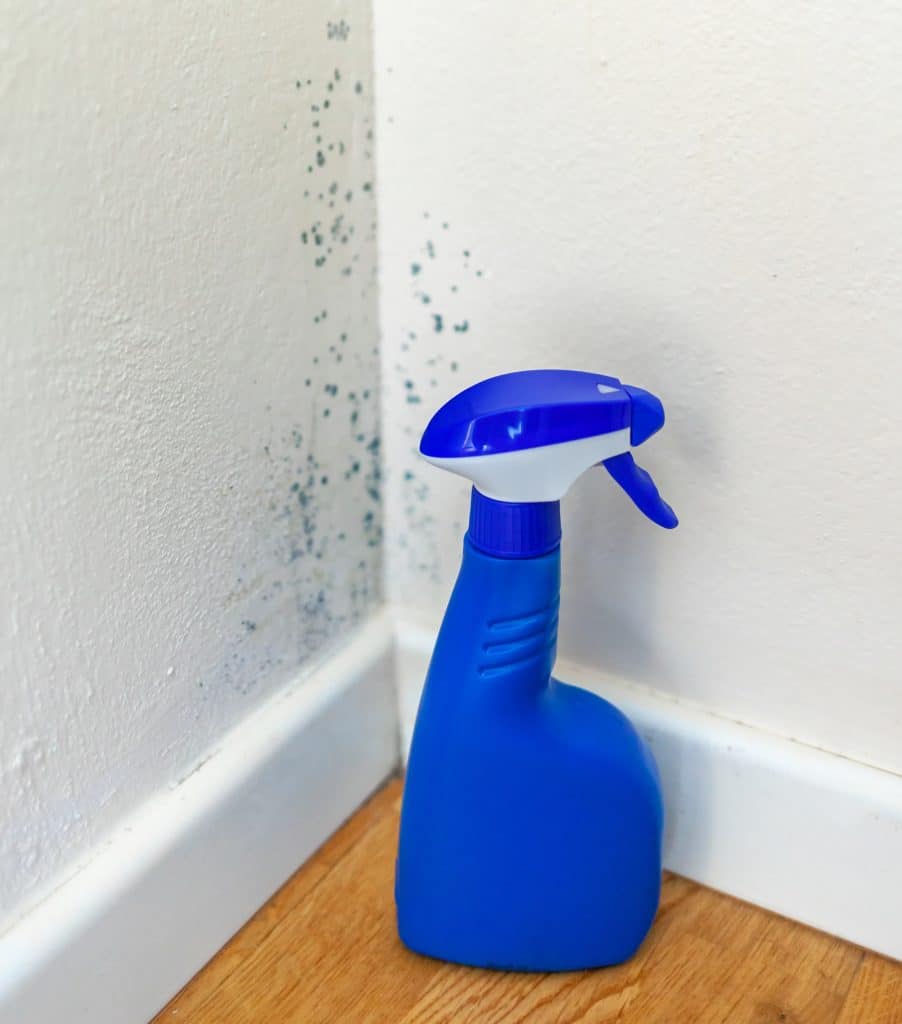
Sometimes, mold problems may be too severe or widespread to address through basic cleaning and preventive measures. In these situations, it’s important to seek the help of professional mold remediation services. Professionals have the tools, expertise, and protective equipment to safely and effectively remove mold from your home, reducing the risk of health problems associated with mold exposure.
Professional mold remediation can also help identify and address mold growth’s underlying causes, such as leaks or moisture problems. By addressing these issues, you can prevent future mold problems and maintain a healthier living environment. Ultimately, investing in professional mold remediation is important to maintaining good health practices in the face of mold exposure.
The Bottom Line
The risks of mold exposure to your health practices cannot be underestimated. From respiratory problems to mental health consequences, mold exposure can significantly impact your overall well-being. By understanding these risks and taking the necessary precautions, such as improving ventilation and seeking professional mold remediation, you can maintain a healthy lifestyle and protect yourself from mold exposure.