Mold exposure is a concern that affects many households and can significantly affect your health practices. It’s important to be aware of the dangers that mold exposure can pose and the steps you can take to prevent and address it. This article will discuss the various risks associated with mold exposure, from respiratory problems to mental health consequences, and provide tips on maintaining a healthy lifestyle in the face of these challenges.
Contents
Understanding Mold and Its Effects On Health
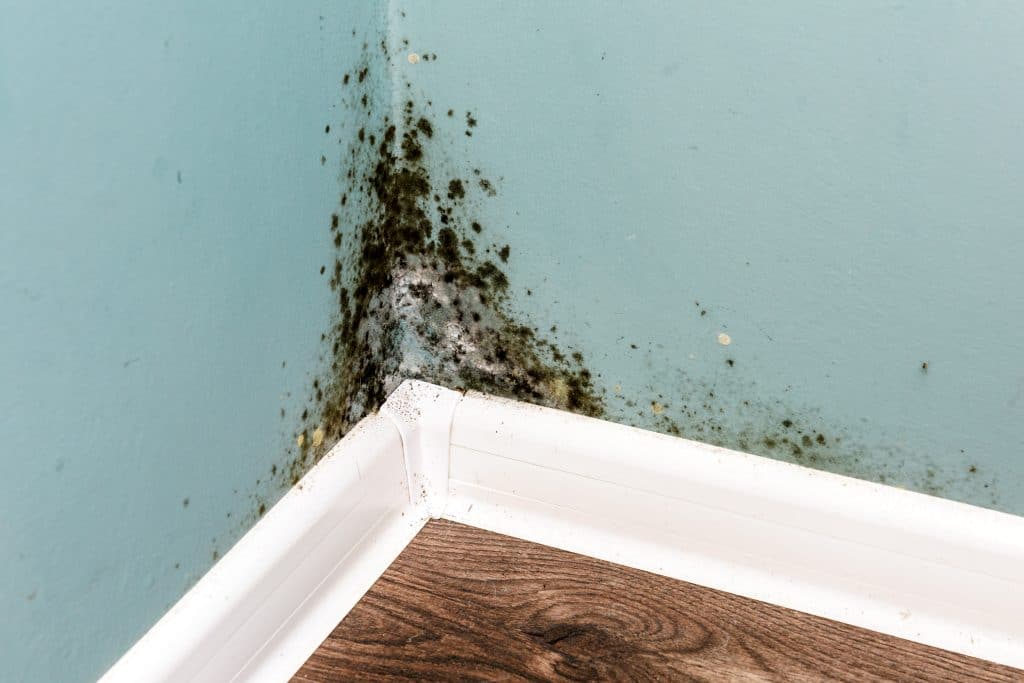
Mold is a type of fungus that grows in damp, humid environments. It can be found indoors and outdoors, thriving on organic materials such as wood, paper, and fabric. When mold spores are released into the air, they can be inhaled and cause various health issues, particularly those with pre-existing conditions or weakened immune systems.
Understanding the effects of mold exposure on your health is crucial for developing effective health practices and ensuring you maintain a healthy lifestyle. Some common health issues resulting from mold exposure include respiratory problems, allergies, asthma, and a weakened immune system. Also, mold exposure has been linked to mental health issues like mood disorders and cognitive decline.
How Mold Exposure Influences Your Health Practices

Mold exposure can have a direct impact on the way you manage your health. When mold is present in your living environment, it may necessitate changes to your daily routines and health practices to minimize risks. For example, you may need to invest in an air purifier, frequently clean your home, or seek professional remediation services to eliminate mold growth.
Understanding how mold exposure can influence your health practices is key to maintaining a healthy lifestyle. In addition to these preventive measures, mold exposure may require you to adjust your health practices in response to the health issues it can cause. For example, if mold exposure triggers respiratory issues or allergies, you may need to incorporate medications, inhalers, or other treatments into your daily routine.
The Connection Between Mold Exposure And Respiratory Problems

Mold exposure can lead to various respiratory problems, particularly for individuals with pre-existing respiratory conditions or weakened immune systems. Inhaling mold spores can irritate the lungs, leading to symptoms such as coughing, wheezing, and shortness of breath. In more severe cases, mold exposure can exacerbate chronic obstructive pulmonary disease (COPD) and even cause pneumonia.
The impact of these respiratory issues on your health practices may be significant. You may need to monitor your symptoms more closely, adjust your exercise routines, or incorporate medications and treatments to manage your condition. It’s important to be proactive in addressing these respiratory problems and implementing changes to your health practices to minimize the effects of mold exposure.
The Impact Of Mold Exposure On Allergies And Asthma

Mold exposure can also trigger allergic reactions and exacerbate asthma symptoms. Common allergy symptoms associated with mold exposure include sneezing, runny or stuffy nose, itchy or watery eyes, and skin rashes. For those with asthma, mold exposure can lead to more frequent and severe asthma attacks, making it even more important to manage this condition effectively.
If you suffer from allergies or asthma, mold exposure may necessitate changes in your health practices. This might include using allergy medications, adjusting your living environment to minimize allergens, or implementing an asthma action plan to manage your symptoms. By taking these steps, you can help reduce mold exposure’s impact on your allergy or asthma symptoms and maintain a healthy lifestyle.