Allergies are a common issue affecting millions of people worldwide. They occur when the immune system overreacts to allergens, resulting in symptoms such as sneezing, itching, and congestion. While many people rely on medication to manage their allergies, there are also natural remedies and prevention tips that can provide relief. This article will explore these alternatives, discussing dietary changes, immune system support, and other strategies that can help alleviate allergy symptoms without relying solely on medications.
Contents
Understanding Allergies: Causes and Symptoms
Various allergens, including pollen, pet dander, mold, and certain foods, can trigger allergies. These allergens provoke the immune system to release histamine, a chemical responsible for inflammation and familiar allergy symptoms. Symptoms may include sneezing, itching, congestion, and watery eyes. The severity of these symptoms can vary from person to person, and the specific allergens causing the reaction may be different for each individual.
Dealing With Allergies: Natural Remedies
The first step in dealing with allergies is to identify the allergens causing your symptoms and take steps to avoid them. This may involve monitoring pollen levels, investing in allergy-proof bedding, or making dietary changes. In addition to avoidance, several natural remedies can help alleviate allergy symptoms. These include saline nasal rinses, which can help clear nasal passages of allergens and reduce congestion; herbal supplements like butterbur and quercetin, which have been shown to have antihistamine properties; and acupuncture, which some studies suggest may help relieve allergy symptoms.
Dietary Changes To Combat Allergies

The food you consume can significantly impact your overall health, including how your body reacts to allergens. Incorporating anti-inflammatory foods into your diet can help reduce inflammation and alleviate allergy symptoms. Some examples of these foods include fatty fish, such as salmon and mackerel; leafy greens, like spinach and kale; and nuts, particularly almonds and walnuts. In addition to adding anti-inflammatory foods, it’s essential to identify any potential food allergens and eliminate them from your diet, as they can exacerbate allergy symptoms.
Strengthening The Immune System

A strong immune system is crucial for overall health and can help reduce allergy symptoms. By supporting your immune system, you can help your body better respond to allergens and reduce inflammation. One way to do this is through regular exercise, which has been shown to boost immune function. Additionally, getting enough sleep and managing stress are vital for a healthy immune system. Aim for seven to eight hours of sleep each night, and incorporate stress-reduction techniques, such as meditation or yoga, into your daily routine.
Using HEPA Filters For A Cleaner Home Environment
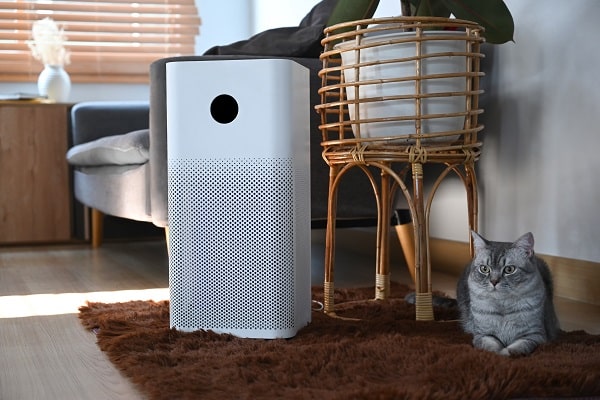
High-efficiency particulate air (HEPA) filters can significantly reduce allergens in your home, helping to alleviate allergy symptoms. These filters can be found in air purifiers and vacuum cleaners, and they work by trapping particles such as dust, pollen, and pet dander. To maximize your HEPA filter’s effectiveness, clean or replace it regularly, as recommended by the manufacturer. Additionally, consider placing an air purifier in rooms where you spend the most time, such as the bedroom or living room.