Ulcerative colitis is a chronic inflammatory bowel disease affecting millions worldwide. It can cause various symptoms, from abdominal pain to rectal bleeding, and significantly impact a person’s quality of life. However, managing the condition and improving symptoms with the right treatment and lifestyle changes is possible. This article will explore some tips for living with ulcerative colitis that can help you take control of your health and well-being.
Contents
Challenges With Ulcerative Colitis

Living with ulcerative colitis poses many challenges that are not always visible to outsiders. This chronic inflammatory bowel disease affects the lining of the large intestine or colon, leading to symptoms such as diarrhea, abdominal pain, cramping, and rectal bleeding. However, the impact of ulcerative colitis goes beyond physical discomfort. It can affect mental health, social life, and work productivity.
Flare-ups can be unpredictable and sometimes disruptive, leading to missed days of work or school, canceled plans, and a general feeling of isolation. Finding the right treatment plan and support system can be key to managing the challenges of living with ulcerative colitis.
Tips For Living With Ulcerative Colitis
Now that you have an understanding of the challenges of living with ulcerative colitis, here are some tips that may help you find relief and take control of your health:
Work With Your Doctor To Develop A Treatment Plan

Living with ulcerative colitis can be a challenging experience, but working with your doctor to develop a treatment plan can make all the difference. Following your doctor’s recommendations and taking your medications as prescribed, you can manage your symptoms and reduce inflammation effectively.
Many different medications are available, including aminosalicylates, corticosteroids, immunomodulators, and biologics, so discussing your options with your doctor is essential. Don’t hesitate to ask questions or seek a second opinion if you have concerns about your treatment plan. With the right approach, you can take control of your health and live a fulfilling life with ulcerative colitis.
Avoid Trigger Foods
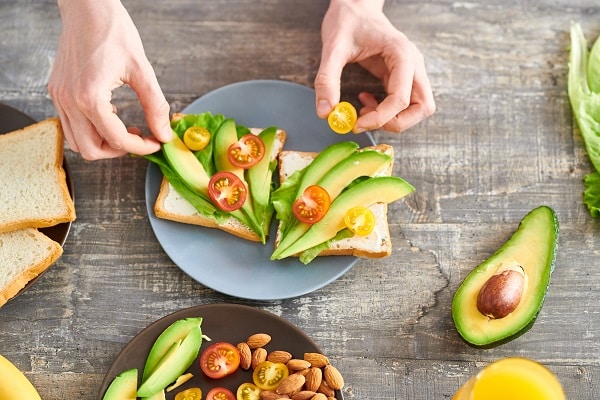
Certain foods can exacerbate symptoms of ulcerative colitis, such as abdominal pain, diarrhea, and rectal bleeding. For this reason, it’s crucial to identify trigger foods and avoid them as much as possible.
Keep a food diary to track what you eat and how it affects your symptoms. This way, you can determine which specific foods trigger symptoms and avoid them in the future. To help manage symptoms of ulcerative colitis, it is recommended to avoid certain foods such as spicy or fatty foods, alcohol, caffeine, and high-fiber foods.
Along with avoiding trigger foods, maintaining a balanced diet that provides all necessary nutrients is crucial. Consider working with a registered dietitian to develop a meal plan that meets your nutritional needs and avoids trigger foods.
Stay Hydrated

Living with ulcerative colitis can be challenging, especially when dealing with symptoms like diarrhea and dehydration. However, staying hydrated is key to managing these symptoms and feeling your best. Drinking at least eight glasses of water daily is a good starting point, but you may need even more if you have frequent bouts of diarrhea.
You’ll take an important step towards managing your ulcerative colitis and staying healthy by staying hydrated. Consider adding sports drinks or electrolyte solutions to help replace lost fluids and minerals. Just be sure to avoid sugary drinks, which can worsen dehydration and diarrhea.