
Alcohol Consumption

The National Institute on Alcohol Abuse and Alcoholism stresses that men should limit themselves to two beverages a day, whereas women should stick with no more than one drink per day. Going beyond these limits could cause high blood pressure and many other illnesses – so it is essential to reduce its intake if you’ve been exceeding the recommendation. If controlling your consumption has become too hard for you, reach out for support from a healthcare professional who will provide advice and guidance tailored specifically for you!
Smoking
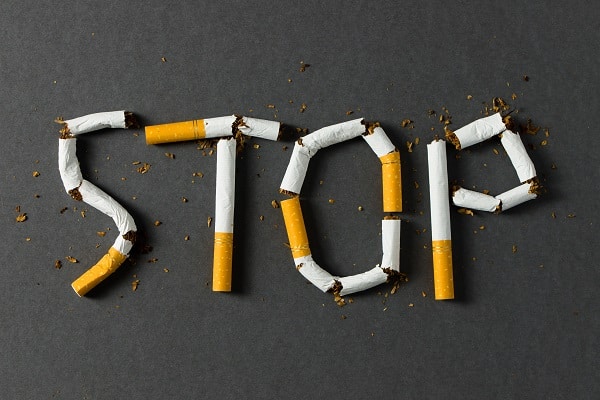
Smoking is a significant risk factor for hypertension and many other health problems. Nicotine in tobacco causes blood vessels to constrict, which can increase blood pressure. Smoking also damages the lining of blood vessels, making it easier for fatty deposits to build up, narrowing the vessels and further increasing blood pressure. Quitting smoking is the best thing you can do for your health. Talk to your healthcare provider about cessation methods that may work for you, such as nicotine replacement therapy, counseling, or support groups.
Stress

When you’re stressed, your body releases hormones that can cause blood vessels to constrict and the heart to beat faster, increasing blood pressure. Long-term stress can also lead to unhealthy coping mechanisms such as overeating, drinking alcohol, and smoking, which can further increase the risk of hypertension. Try relaxation techniques such as deep breathing, meditation, or yoga to manage stress. Regular exercise, getting enough sleep, and seeking support from friends and family can also help.
Medical Conditions

Recent medical studies have shown that certain medical conditions tend to be linked with hypertension. Most notably, diabetes significantly increases an individual’s chances of developing high blood pressure. Furthermore, other conditions like thyroid disorders, kidney disease, and sleep apnea may also contribute to the development of hypertension in many people. Keeping your existing medical conditions under control with help from your doctor can do wonders for reducing your risk of developing high blood pressure in the future.
Medications

Certain medications can also increase the risk of hypertension. These include birth control pills, decongestants, and nonsteroidal anti-inflammatory drugs (NSAIDs) such as ibuprofen. If you’re taking any medications, talk to your healthcare provider about their potential side effects, including their impact on blood pressure. They may be able to adjust your dosage or prescribe a different medication to manage your condition effectively.
Vitamin Deficiencies

Vitamin deficiencies can have far-reaching consequences for your overall health. With recent studies showing a link between vitamin deficiencies and hypertension, it is essential to understand the role vitamins play in maintaining healthy blood pressure. When you don’t get enough of the essential vitamins and minerals, like magnesium, your body lacks the nutrition needed to balance hormones and regulate bodily functions such as cardiovascular health. This can impair body processes that prevent hypertension from occurring or escalating, placing you at greater risk of high blood pressure.
Know The Risk Factors Of Hypertension
Knowing the risk factors of hypertension is key to preventing and managing high blood pressure. While some risk factors may be out of your control, you can make many lifestyle and dietary modifications to reduce your risk. You can take steps toward preventing and managing high blood pressure with proper guidance and support! Talk to your doctor about any existing medical conditions, medications you are taking, or lifestyle changes that may contribute to your risk of hypertension.