Contents
Nutrition

A balanced diet is essential for overall health and well-being. Eating a balanced diet can help reduce stress by providing the body with the nutrients it needs to function properly. Some foods can also help reduce stress and promote relaxation, while others can have the opposite effect. Some nutrition tips to reduce stress include:
- A balanced diet – A balanced diet should consist of a variety of fruits, vegetables, whole grains, lean proteins, and healthy fats. Eating a balanced diet can give the body the nutrients it needs to function properly.
- Foods that reduce stress – Some foods can help reduce stress and promote relaxation, including dark chocolate, chamomile tea, and fatty fish.
- Foods to avoid when stressed – Some foods can increase stress, including caffeine, alcohol, and processed foods.
- Hydration – Hydration is paramount for your overall health and well-being. Consuming water can alleviate stress, promoting relaxation while elevating your general well-being!
Social Support

Maintaining healthy relationships and social support is important for overall health and well-being. Social support can help reduce stress by providing a sense of connection and belonging. Some ways to improve social support and combat stress include:
- Maintaining healthy relationships – Upholding strong ties with family, friends, and colleagues can supply helpful social backing and diminish stress levels.
- Joining support groups – Uniting with kindred spirits who have gone through similar ordeals or struggles can provide a strong social system and minimize anxiety.
- Seeking therapy or counseling – Seeking therapy or counseling can provide support and guidance for managing stress and improving overall mental health.
Time Management

Time management is an important aspect of stress management. Proper time management can help reduce stress by prioritizing tasks, avoiding procrastination, and setting realistic goals. Some tips for improving time management and reducing stress include:
- Prioritizing tasks – Prioritizing tasks can help reduce stress by identifying and focusing on the most important tasks first.
- Scheduling downtime – Scheduling downtime can help reduce stress by allowing time for relaxation and self-care.
- Avoiding procrastination – Avoiding procrastination can help reduce stress by reducing the feeling of being overwhelmed and avoiding last-minute rushes.
- Setting realistic goals – Setting realistic goals can help reduce stress by avoiding feeling overwhelmed and achieving a sense of accomplishment.
Sleep
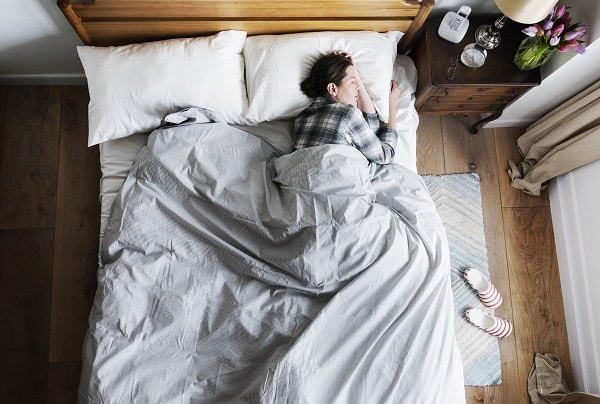
Sleep is an essential aspect of overall health and well-being. Proper sleep can help reduce stress by promoting relaxation and improving overall health. Some tips for improving sleep and reducing stress include:
- Establishing a regular sleep routine – Reinforcing a strict bedtime routine can immensely boost both the quality and quantity of sleep.
- Reducing screen time before bed – Limiting your digital consumption before bedtime will not only induce relaxation but also enhance the quality of sleep.
- Creating a relaxing sleep environment – Constructing a tranquil sleep atmosphere can facilitate tranquility and enhance overall rest quality.
- Avoiding caffeine and alcohol before bedtime – Eliminating caffeine and alcohol consumption in the hours leading up to bedtime can drastically improve your sleep quality, allowing for a deeper sense of relaxation.
Get Rid Rid Of Stress With These Holistic Methods
Stress is an inevitable part of life, but prolonged stress can negatively impact physical and mental health. Adopting a holistic approach to combat stress can provide a more comprehensive and long-lasting solution to managing stress. Holistic methods address stress on all levels, including the mind, body, and spirit. Mind-body techniques, physical activity, nutrition, social support, time management, and sleep are all important aspects of a holistic approach to stress management. By incorporating these techniques into daily life, individuals can reduce stress and improve overall health and well-being. However, it is important to seek professional help when necessary, especially for chronic stress or stress-related disorders.