For many people dealing with long-term health issues, traditional treatments don’t always help as much as they’d like. But there are alternative therapies that can bring about healing, reduce stress, and improve mental well-being—and today, you’ll get a chance to explore them in detail. So whether you struggle with chronic fatigue syndrome, multiple sclerosis, arthritis, or another condition affecting your physical or emotional well-being—read on to find out how exploring alternative therapies can make a difference in managing your health!
Contents
Alternative Vs. Traditional Medicine
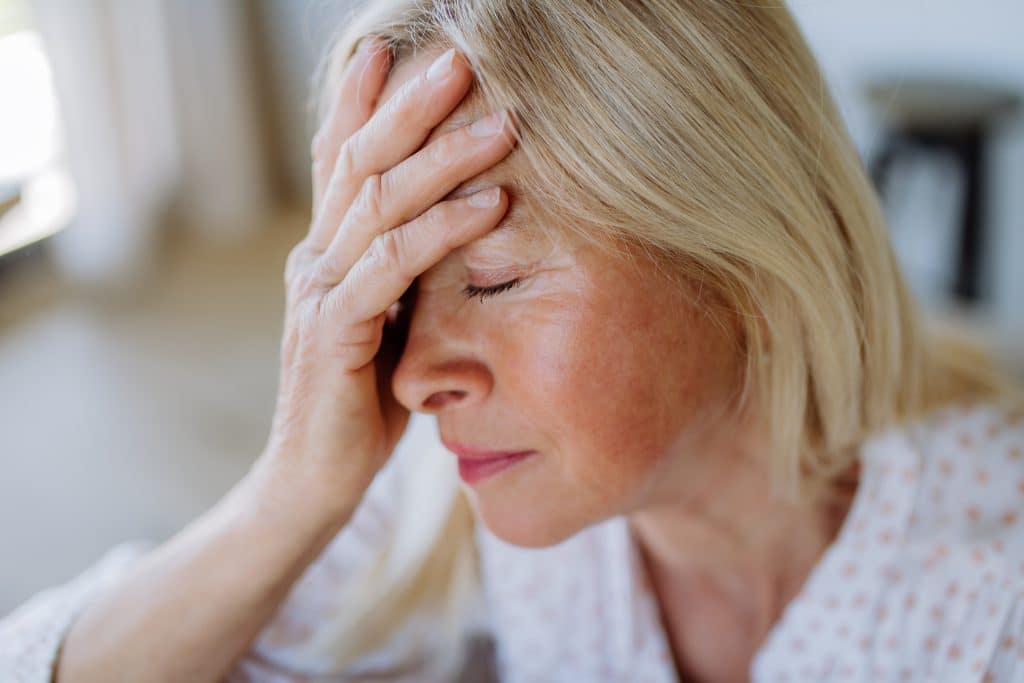
Traditional and alternative medicine have long been in a contentious debate regarding efficacy and safety. While traditional medicine is often rooted in centuries-old practices, alternative medicine claims that there are other solutions to diseases, treatments, and illnesses outside of what is traditionally accepted.
Both forms of medicine can offer advantages when consumed correctly and responsibly. While they may vary in approach, one must consider their own needs on an individual level before adopting any form of treatment. However, it’s important to recognize that evidence-based research from reliable and reputable medical experts should always be sought to most safely assess what course of action to take when facing a health issue.
Alternative Therapies For Chronic Illness
While the condition you suffer from may not be completely cured with alternative therapies, several natural and holistic remedies can provide relief from the symptoms of chronic illnesses. Here are some of the most popular alternative therapies for chronic illness:
Acupuncture

Acupuncture is a traditional Chinese medicine practice that involves inserting thin needles into specific points on the body. This therapy stimulates the body’s natural healing processes and restore balance. Acupuncture has been used to treat a variety of chronic conditions, including pain, headaches, and anxiety. Acupuncture can help relieve chronic pain by increasing blood flow and promoting the release of natural painkillers, such as endorphins.
It may also help reduce inflammation and improve immune function. Studies have shown that acupuncture can effectively treat chronic low back pain, osteoarthritis, and tension headaches. While acupuncture is generally considered safe, there are some risks associated with the practice. Some people may experience mild discomfort or bleeding at the needle insertion site. In rare cases, acupuncture can cause more serious side effects, such as infections or damage to internal organs.
Massage Therapy
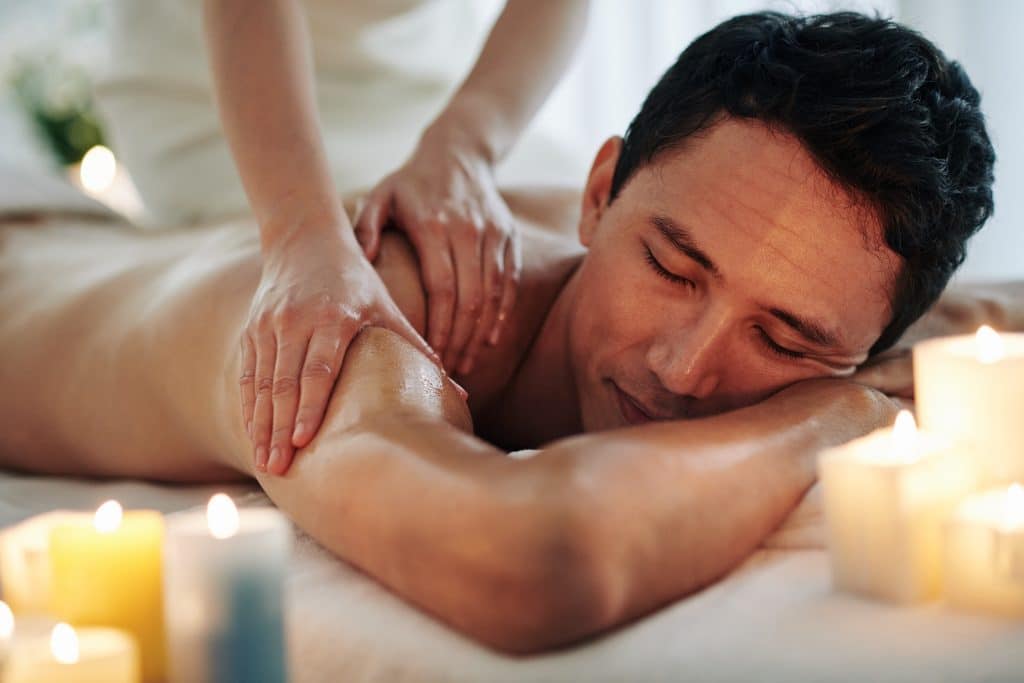
Massage therapy is a form of bodywork that involves manipulating muscles and soft tissues to reduce pain, improve circulation, and promote relaxation. Massage therapy can help alleviate chronic pain by reducing muscle tension, increasing the range of motion, and releasing endorphins. In fact, massage therapy is an effective treatment for chronic low back pain, fibromyalgia, and osteoarthritis. It may also help reduce symptoms of depression and anxiety.
Massage therapy can be performed by a licensed massage therapist or self-administered using self-massage or foam rolling techniques. And while massage therapy offers numerous health benefits, it is important to be aware of the potential risks. Slight soreness and bruising may occur after a massage session; nonetheless, more serious complications, such as nerve damage or bone fractures, can happen in rare cases.
Herbal Remedies
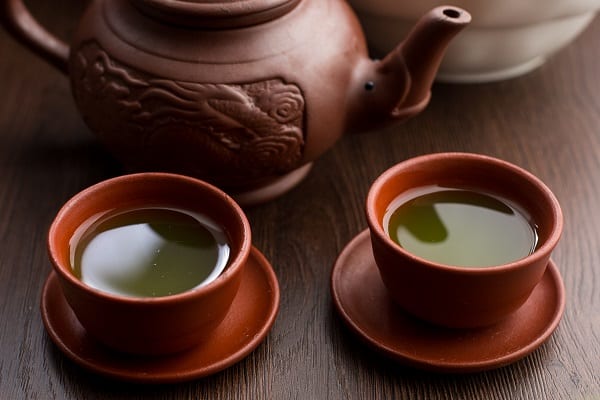
Herbal remedies are plant-based medicines that have been used for centuries to treat a variety of ailments. Herbal remedies can treat chronic conditions such as arthritis, fibromyalgia, and irritable bowel syndrome. Some common herbal remedies include turmeric, ginger, and echinacea. Herbal remedies can interact with other medications and cause serious side effects if used incorrectly. Remember that even with natural treatments like this, it’s important to consult a healthcare professional before using them.
Purchasing herbal products from trusted sources is also important, as some may contain contaminants or be mislabeled. Additionally, self-treating a chronic condition with herbal remedies can be risky, as the underlying cause may not be properly diagnosed or treated.