

Quit Smoking

Quitting smoking effectively reduces snoring, which can be disruptive for the snorer and anyone sleeping next to them. This health issue is caused when the walls of the throat relax and narrow during sleep, and the smoke from cigarettes can irritate these tissues directly, making them more likely to collapse. Additionally, nicotine increases alertness, further disrupting sleep-wake cycles, so quitting smoking will likely have a double effect on reducing snoring.
Although it’s not easy to quit once a tobacco habit has begun, many options exist to help smokers make this transition. For instance, speaking with a medical professional about potential prescription medications can help to manage cravings associated with quitting smoking. Reaching out to support groups or family members can make all the difference when trying to quit smoking.
Lose Weight

Studies show that those who are overweight are more likely to suffer from the nightly grunts and groans of snoring due to enlarged fatty tissue in their throat. If you struggle with snoring, one potential solution could be to shed those extra pounds. Even losing as little as 10% of your total body weight can make a big difference.
Still, it is no easy task to combat, but diet changes and regular exercise have been proven effective solutions for reducing snoring caused by being overweight. It’s also important to talk with your doctor before starting any new routines associated with weight loss and discuss how best to achieve your desired results.
Get Enough Sleep
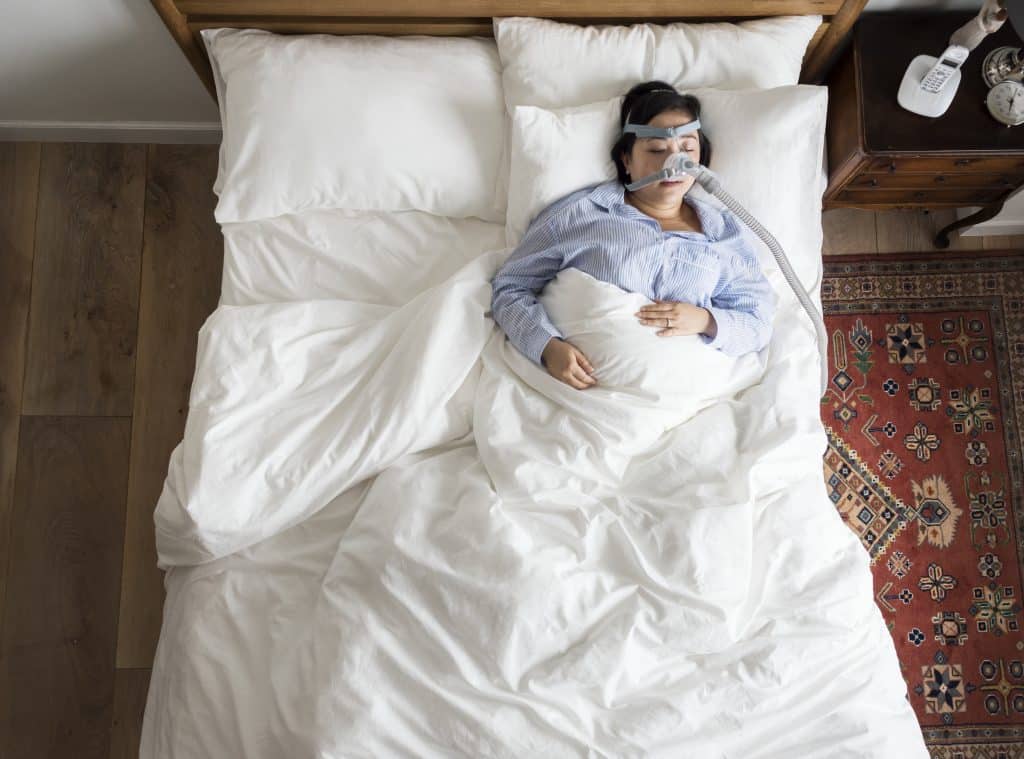
Getting enough sleep is essential to reduce snoring. Studies show that snoring is more common in those who do not get seven to eight hours of sleep. A major cause of snoring is fatigue, and not getting enough rest weakens the throat muscles, allowing them to close over during sleep. It also increases inflammation in the airways, making it harder for air to flow in and out freely as you breathe.
During the day, ensure you follow a healthy sleep schedule by avoiding napping whenever possible and going to bed consistently each night. This will help ensure that your body can naturally reset itself overnight and put an end to the days of loud snoring! For this reason, getting adequate sleep every night can reduce snoring.
Treat Any Nasal Congestion Or Obstructions

One of the most common causes of snoring is an obstruction or congestion in the nose, such as a deviated septum, allergies, colds, and other nasal issues. In these cases, treatment may involve using steroid sprays to reduce inflammation and open the airways. Depending on the severity of your nasal passage blockage, you may require more involved treatments such as surgery or breathing devices.
Improved breathing can increase energy levels, mood, and physical performance. Not only can this help you stop snoring, but it can lead to better overall health. So, if treating any nasal congestion or obstruction stops you from getting a good night’s sleep, don’t wait to seek medical advice and get back on track with a healthy sleeping routine.
Get A Handle On Snoring With These Tips!
In conclusion, snoring can be a nuisance for the snorer and anyone who has to sleep next to them. Several lifestyle changes can help reduce snoring and promote better overall health. Not only will quitting smoking help with this issue, but losing weight, getting enough rest, and treating any nasal congestion or obstructions could make a difference. With the right approaches, snoring can become a thing of the past! With these tips, you can enjoy more restful nights and healthier days ahead by getting a handle on snoring. Good luck and happy sleeping!