Contents
Drink Water Before Eating

As simple as it may sound, drinking water before meals can be an easy and effective tool for reducing portion sizes. Not only does drinking more water help keep you hydrated, but it also reduces your appetite — causing you to eat less. The result? You may still enjoy a fulfilling meal while potentially cutting calories.
Rather than feeling guilty after overindulging in a meal, why not put a glass of water between you and the temptation? Numerous health experts have studied this trick, and the research supports it as an efficient way of controlling hunger and portion size. Incorporating this strategy into your daily regimen may be a step toward achieving sound nutrition goals.
Measure Ingredients
Learning to accurately measure your ingredients is another essential skill for anyone looking to better control their portions. Being aware of how much you’re eating can make a big difference in staying healthy and fit. Paying attention to portion sizes also helps with budgeting since you can ensure that no extra ingredients are being purchased or thrown away – every bit matters.
Measuring your ingredients can be time-consuming, but the results are often worth it in the long run. It may take some practice, but eventually, meal preparation will become second nature, allowing for greater precision and ease of portion control.
Check Food Labels

Similarly to measuring ingredients, reading food labels can also help with portion control. Labels provide useful information about the contents of a product, including fat content, sodium levels, and calorie counts. This knowledge can be used to make educated decisions about what you’re putting in your body and how much you should eat.
Having a better understanding of nutrition labels allows you to narrow down your food choices so that you can select healthier options with fewer calories and other potentially harmful substances. By keeping an eye on the nutrition facts panel of any product you buy, you’re well on your way to controlling portions and maintaining a healthy lifestyle.
Serving Sizes To Follow
It’s essential to keep in mind the recommended serving size for each item you consume; here are some general guidelines for different types of foods:
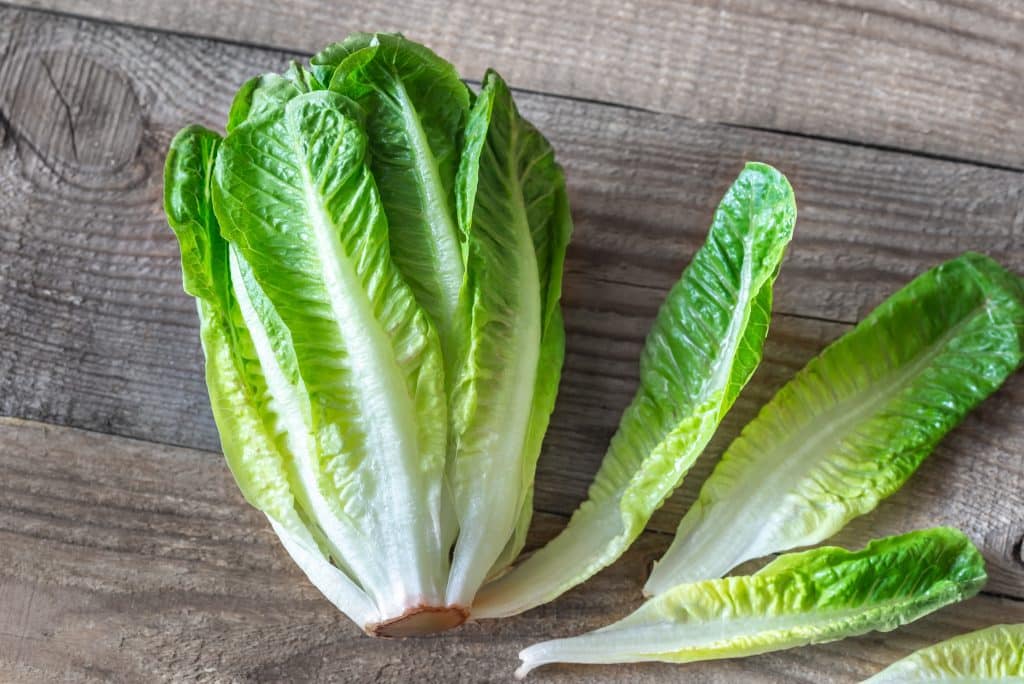
- Fruits & Vegetables – ½ cup cooked vegetables/fruits per serving OR 1 medium piece raw vegetable/fruit per serving.
- Starches (rice/pasta) – ½ cup cooked per serving.
- Meat & Fish – 2–3 ounces cooked per meal (about the size of a deck of cards)
- Dairy – 1 cup of milk/yogurt per serving OR 2 slices of cheese per serving.
- Oil & Fats – 1 teaspoon of oil or butter per serving.
- Snacks & Sweets – Aim for a snack-size portion of no more than 200 calories.
Key Points To Remember When Controlling Your Portions
By understanding and following these basic tips for controlling portion sizes and incorporating them into daily practices could lead to healthier diets in both short-term and long-term scenarios! Here are some key points worth remembering when managing portions:
- Don’t rely on package labels alone; use visual cues like hands or plates/bowls, so precise measurements aren’t always needed.
- Slow down while eating; pay attention to hunger signals, so that impulse “grazing” behavior isn’t encouraged.
- Don’t deprive yourself; tiny indulgences in moderation are perfectly valid options if they fit within your plan.
- Only eat until full; once satisfied, stop consuming additional food regardless if there’s still room left on the plate/container.
Follow This Guide To Portion Control!
Learning portion control doesn’t have to be a difficult task! With the right tools and techniques, you can easily manage how much food you consume daily. These strategies and tips can help you make better-informed decisions about your diet and help you stay on track with your nutrition goals. Implementing portion control into your lifestyle as a routine may take some practice, but with dedication and perseverance, it won’t be long until it becomes second nature!