With hormones playing a critical role in almost all bodily functions, it’s essential to recognize the signs of a hormone imbalance. Hormonal imbalances can have various causes, ranging from chronic stress to certain medical conditions. With early diagnosis and treatment, people can address the issues causing their hormonal imbalance and optimize their health. This article will explain the signs of a hormonal imbalance, how to diagnose it, and its possible treatments.
Contents
The Dangers Of Hormone Imbalance

Hormone imbalances can manifest in various physical and mental symptoms, ranging from minor to life-altering. Many common issues, such as depression, infertility, eating disorders, and mood swings, are associated with hormone imbalance. Additionally, some of the long-term implications of an unregulated hormone system may include heart disease, thyroid issues, and diabetes. Without prompt regulation, the dangerous effects of these imbalances can wreak havoc on our physical and mental health.
For those dealing with a hormonal imbalance, it is important to be assessed by a healthcare professional with expertise in this area as soon as possible to fully understand any risk factors present. With the right combination of treatments — including lifestyle choices such as nutrition trackers and meditative practices — significant improvements can be achieved quickly before any worsening damage is done.
Signs Of A Hormone Imbalance
It’s no secret that hormones play a crucial role in healthy daily functioning. However, when the system is thrown off balance, the signs of hormone imbalance become clear. Some common symptoms include:
Sudden Weight Gain or Loss

Sudden weight gain or loss can often signify a hormone imbalance, which is more likely if other signs of a hormone malfunction are present, such as fatigue and irregular periods in women. A hormone imbalance combined with unintentional weight loss could be due to an overactive thyroid – known as hyperthyroidism which causes the body’s metabolism to speed up and releases extra energy, resulting in excessive weight loss within the first few weeks of onset. An endocrinologist or general doctor can provide laboratory tests to establish a diagnosis, involving measuring the levels of hormones secreted by the glands responsible for metabolism and mood regulation.
Underactive thyroid – called hypothyroidism – typically triggers symptoms like tiredness caused by low energy production, muscle cramps or weakness due to poor calcium absorption, and unintentional weight gain in some cases, as me. Seeking professional medical attention is essential because it allows an individual to get an early diagnosis and treatment that will restore their hormonal equilibrium and maintain good health.
Swelling In Joints

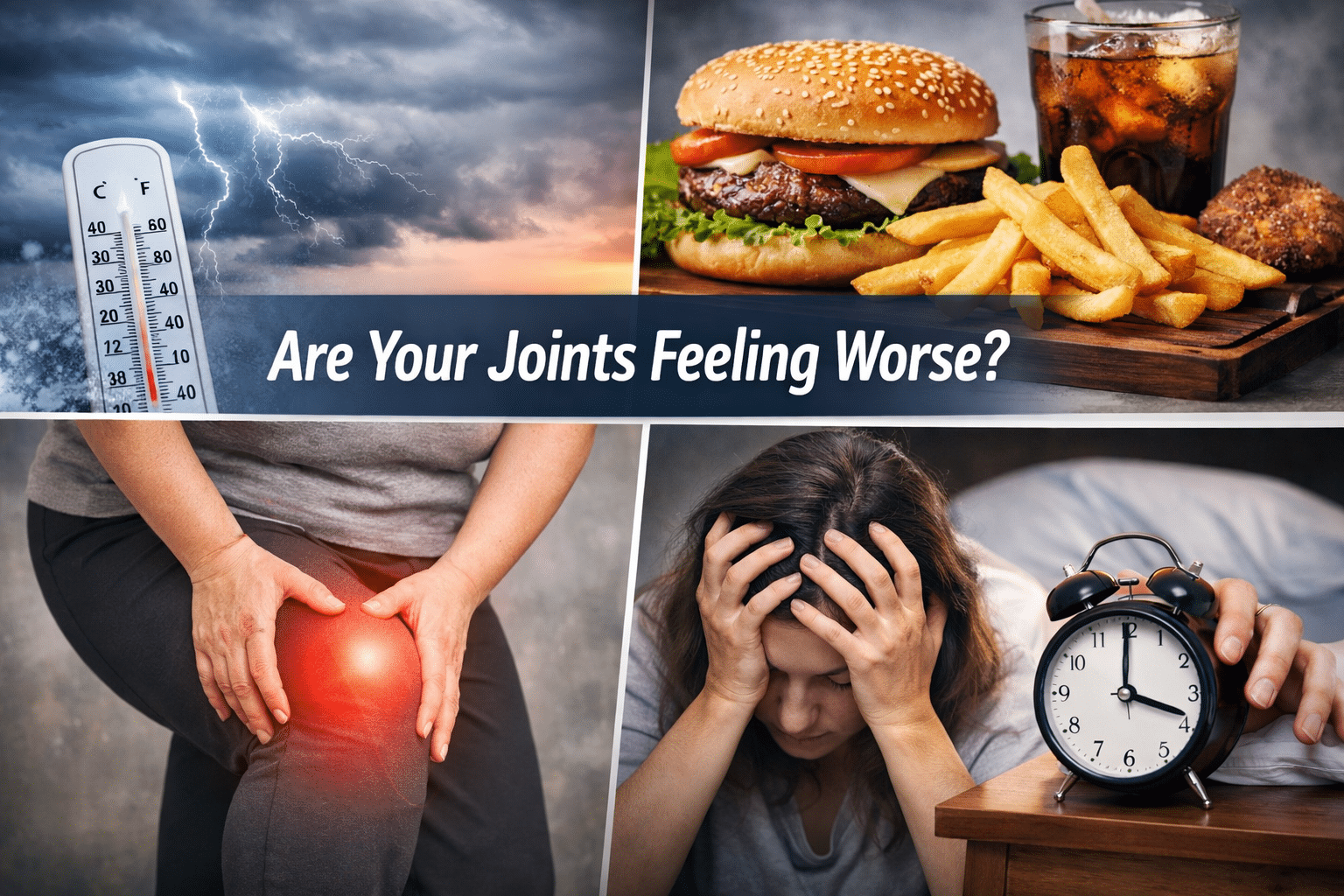
A hormone imbalance can have a significant effect on your health and well-being. One common sign of a hormonal imbalance is swelling in the joints, ranging from mildly uncomfortable to severely painful. This swelling is often the result of excess fluids that build up around joints, preventing them from full movement. Along with swelling, people often experience tenderness when touching particularly inflamed areas.
Additionally, this type of joint pain can affect mobility making it difficult to engage in physical activities or perform everyday tasks comfortably. If you are experiencing any of these signs, it may be worthwhile to look into whether you have an underlying hormone imbalance causing your discomfort.
Changes In Heart Rate

Many may not be aware, but a hormone imbalance can bring about one of the most unexpected signs: changes in heart rate. Although you may think that normally your heart rate stays at a steady pace, it’s more complicated than that. Your heart rate can change depending on factors like stress, what kind of exercise you are doing, and certain medications.
Furthermore, because hormones like cortisol and adrenaline help regulate blood pressure and the autonomic nervous system responsible for the fight or flight response, an imbalance in hormones can cause an alteration in heart rate. It is important to note that drastic changes in your resting heart rate could signify something serious – like a hormone issue – and should be discussed with your doctor if it persists for more than two weeks.