

Mold and mildew can be incredibly damaging to your environment and your home. Mold and mildew spores can cause a variety of health problems, from sneezing fits to respiratory illnesses. In addition, mold and mildew can rot wood, drywall, fabrics, carpets, and other porous materials, which leads to costly home repairs. This article will provide you with some tips on how to prevent mold and mildew from forming in your home. It will also provide information on the health risks associated with mold and mildew.
Eliminate Clutter To Prevent Mold And Mildew

Keeping things clean and organized is essential for preventing the growth of mold and mildew. The most crucial step towards this goal is to eliminate clutter from your home, indoors and outdoors. Clutter creates a perfect breeding ground for dangerous and uncomfortable mold spores, leading to potential health hazards.
Getting rid of excess items will give you added peace of mind, allow your HVAC system to reduce humidity levels more effectively, and increase the long-term value of your home. Taking the time to store items you don’t use every day properly can make all the difference in maintaining a healthier environment for your family.
Make Sure You Inspect Your Home Monthly

Keeping tabs on your home’s condition is essential to preventing mold and mildew buildup. Every month, it is crucial to take a walkthrough of the property and look for any signs of condensation and must odors around cracks or corners that may indicate the presence of mold or mildew. After being aware, ensure proper ventilation and fix any leaks if necessary to inhibit future growth of these nasties.
Several common household items can clean mold and mildew, such as bleach, vinegar, baking soda, tea tree oil, or hydrogen peroxide. If you identify an area harboring a colony of mold and mildew, then consider adding an air purifier to your preventative strategy. Ultimately taking regular steps towards eliminating shortcuts in good hygiene will go a long way in keeping molds and mildews away from your homes!
Don’t Let Damp Clothing Or Towels Pile Up

Not taking the time to stop and properly address the issue of damp towels or clothing can cause more problems than anticipated. Mold growth can cause various health issues, including coughing, sneezing, and asthma attacks. If you have piles of wet clothing or towels scattered around your living space, don’t wait to take action.
Taking the extra steps to ensure your furniture and home are free of dampness will save you much stress with potential health issues down the line! Invest in a dryer rack or spread wet clothes on towels and put them in a well-ventilated area so they can safely dry out completely. Furthermore, incorporate an airing cabinet into your home or invest in bathroom ventilation fans, which help reduce mold growth caused by dampness.
Prevent And Fix Any And All Leaks
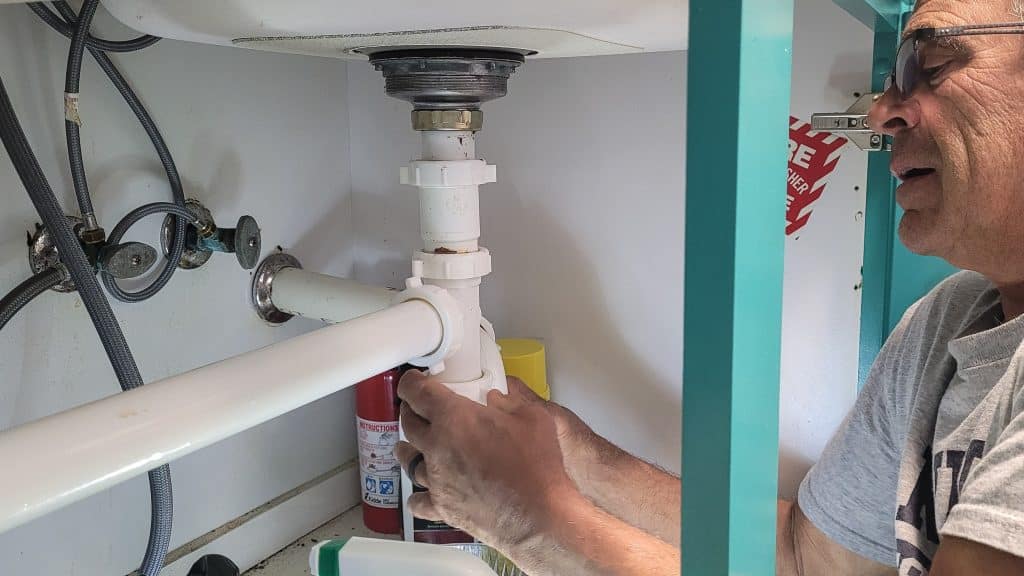
Leaks, both big and small, can cause a lot of damage to the structure of a home if not handled quickly and correctly. They also increase the chances of developing mold and mildew in hard-to-reach places, which can present health and structural hazards. Preventing or fixing any leaks is essential for preserving the integrity of your home.
If you have noticed signs of mold or mildew, it’s best to invest in quality products dedicated to cleaning up any residue after a leak. Pay close attention to all areas needing repairs, such as seals around doors or windows, pipes, showerheads, and other fixtures. Solving these issues requires vigilance, but doing so will certainly save you from more severe problems down the line.
Make Sure You Dry Wet Areas Immediately

It is essential to take immediate action when wet areas are in your home or business. Drying wet areas require removing the excess water as quickly as possible so that no moisture seeps into any adjoining material or wall. If left untreated, wet or moist surfaces have the potential to produce mold and mildew, which can create further problems with health and property structural damage.
Preventing mold and mildew should always be at the forefront of your thoughts when dealing with moisture – make sure you dry any affected areas immediately! Making sure to address any damp spots with appropriate ventilation can also help to maintain a safe environment. Furthermore, regular cleaning and maintenance of all walls in a building will help keep mildew from forming as well.
Improve Insulation To Prevent Mold And Mildew
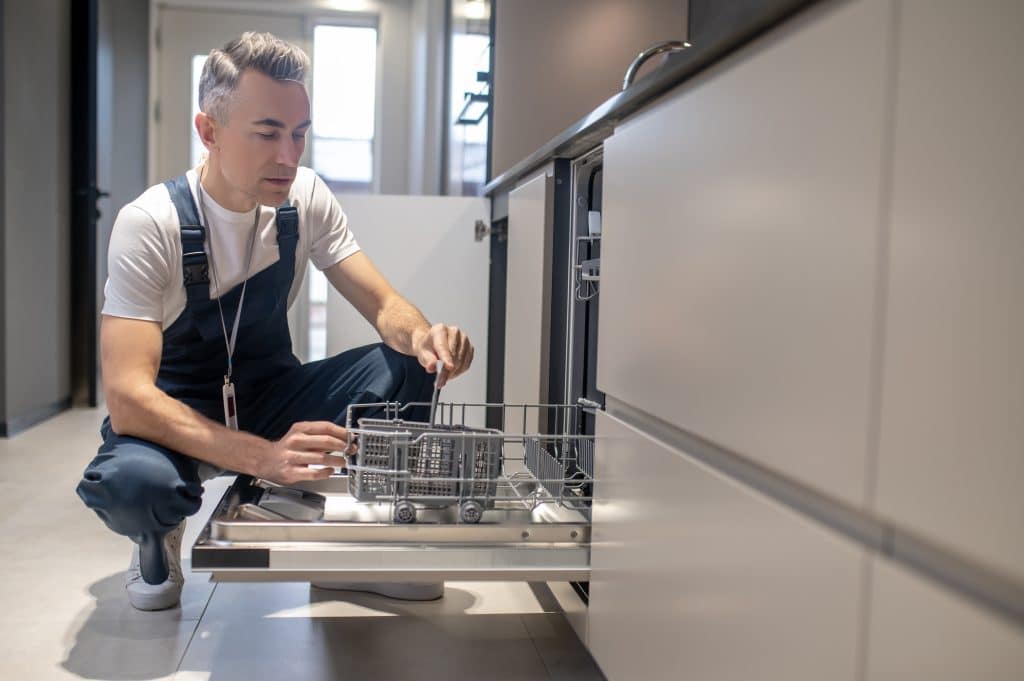
Poor insulation can often lead to excessive moisture accumulating in your home, which can increase the chances of potentially harmful mold and mildew growth. To protect against this, consider improving your home’s insulation by adding more insulation materials or sealing any drafts or openings around windows and door frames.
Overall with guidance from a professional and proper implementation, improved insulation from the outside elements is a great way to help prevent the unwanted buildup of mold and mildew and thus improve your home environment. When done correctly, any cool air coming in from outside will be outweighed by the warm air generated inside, and less moisture will collect. Furthermore, if you’re using space heaters, keep them away from potential areas that could generate excess moisture, like bathrooms and kitchens.