
Confusion

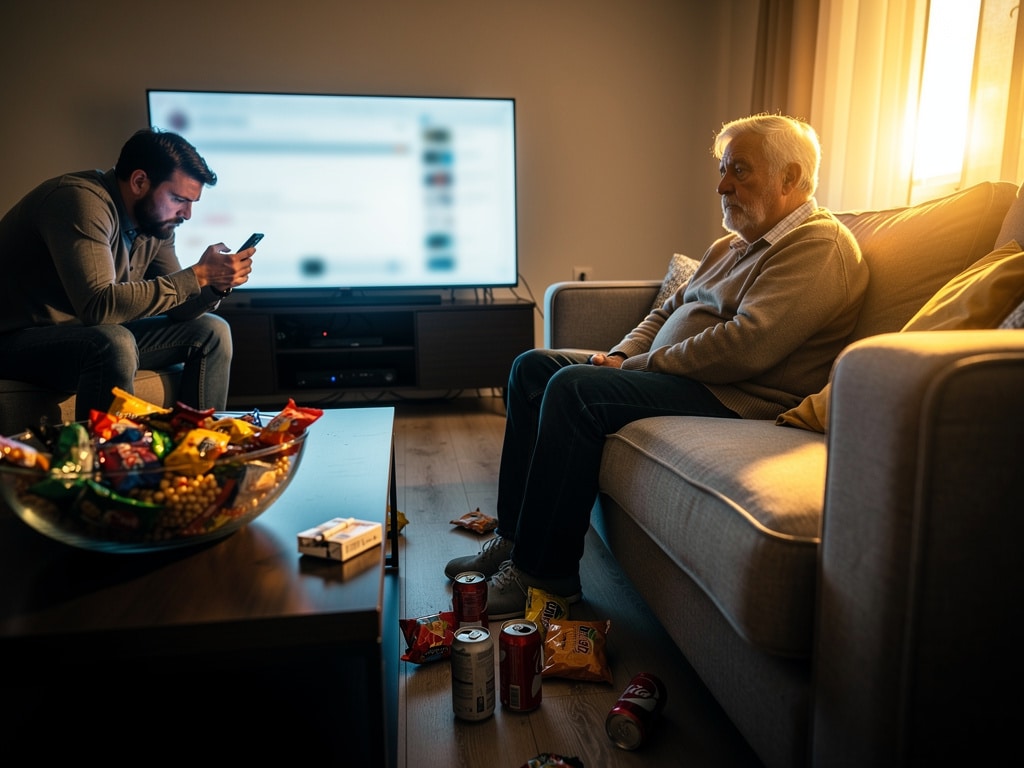
Another sign that can be difficult to manage is confusion. People with sundowning may struggle to remember simple tasks or even who they are. They may also struggle with spatial awareness, frequently getting lost. In some cases, the confusion can make the person suffering from the condition believe they are in a different time or place. These episodes of confusion can be very distressing and may even lead to paranoid behavior.
It is important to maintain a calm environment and establish a routine for the person to help manage confusion. This can help provide structure and familiarity, making them feel more secure.
Disorientation

Similar to confusion, disorientation is another common symptom of sundowning. It can manifest as getting lost in familiar places or not recognizing loved ones. People with sundowning may also struggle to tell the difference between night and day, leading them to become active at unusual hours. For instance, it is not uncommon for someone with sundowning to wander outside in the middle of the night, which can make this symptom particularly hazardous.
You can often manage disorientation by keeping the person with dementia in a familiar, secure environment and providing them with visual cues to help orient themselves, such as a clock or pictures of loved ones. However, it is important to have safety measures in place, such as alarms on doors or bed rails, to prevent wandering.
Sleep Disturbances

Sleep disturbances can also signify sundowning, with people experiencing insomnia or waking up frequently at night. In addition, their sleep may become more fragmented as the sun sets, leading to restless tossing and turning. This can be concerning for caregivers, as sleep is important for physical and cognitive health. And for those experiencing other symptoms along with sleep disturbances, such as aggression or confusion, it can make managing sundowning even more challenging.
Luckily, there are a few potential strategies for addressing sleep disturbances in cases of sundowning. It can be helpful to establish a calm bedtime routine, reducing stimulation before going to bed and avoiding caffeine during the evening. Sometimes, a doctor may also prescribe medications to help with sleep. However, speaking with a doctor before starting any new medications for sundowning symptoms is essential.
Hallucinations

One potentially scary of this condition is hallucinations, which may involve seeing or hearing things that are not there. This can be very distressing for the person experiencing it and those around them. However, it is important to remember that these hallucinations are not a sign of insanity but rather a symptom of sundowning caused by changes in brain chemistry. While there is no exact science as to why this may happen, light levels and fatigue changes can trigger these episodes.
It is important to remain calm and redirect the person’s attention if hallucinations occur. In some cases, doctors may also prescribe medications to help with this symptom. However, it is essential to consult a healthcare professional before starting any new medicine for sundowning.
Be Aware Of The Signs Of Sundowning
Sundowning is a common symptom of dementia, affecting as many as 60-70% of people with the condition. Therefore, it is crucial to be aware of its potential signs and some of the minor changes you can make to attempt to manage them. While there is no cure for the condition, you may be able to alleviate some of its symptoms and improve the person’s quality of life. However, it is important to seek help from healthcare professionals if you ever feel like the condition is worsening. The last thing you want is for the person to experience unnecessary distress or become a safety concern.