
Digestive System

The human digestive system is a complex and efficient system that breaks down food into the nutrients our bodies need to function. However, this system is not infallible and can be affected by many different factors. As we age, one of the most significant changes in the digestive system is a decrease in stomach acid production. This decrease can lead to many problems, including indigestion, heartburn, and nutrient deficiencies.
In addition, the aging process also leads to a slowdown in food movement through the digestive tract, which can result in constipation and other bowel problems. Although natural, you can manage these changes with lifestyle and targeted medical interventions. By understanding these changes, we can take steps to keep our digestive systems healthy as we age.
Cognitive Ability

As we age, our bodies go through a lot of changes. We may lose muscle mass, our bones become less dense, and our skin thinner and more fragile. But these physical changes are not the only ones that occur as we age. Our cognitive abilities also begin to decline, making it more difficult to remember things, learn new information, and make decisions.
Scientists believe this cognitive decline is from many factors, including changes in the brain’s structure and function, a decrease in the levels of certain chemicals in the brain, and an increase in the risk of disease. While there is no way to completely prevent these changes from happening, there are things that we can do to help slow down their progression.
For example, staying physically active and mentally engaged throughout our lives can help to keep our brains healthy and prevent some of the declines that come with aging. So even though aging is inevitable, there are still things that we can do to help our brains stay sharp.
Weight
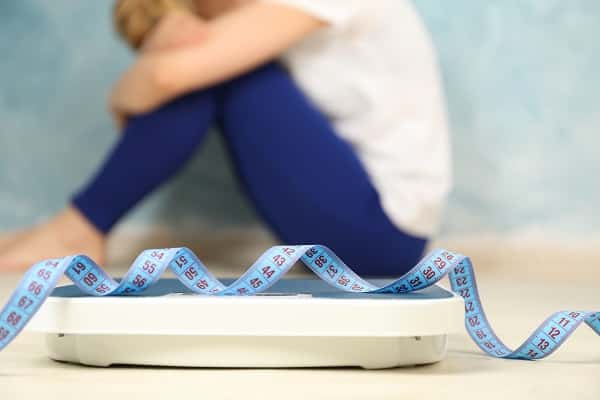
With age often comes an increased risk for weight gain due to various physiological changes. For example, our metabolism slows down, and we lose muscle mass. At the same time, our hormone levels change, impacting our appetite. In addition, many older adults become less active, contributing to weight gain. These changes make it more challenging to keep the weight off as we age.
While several factors contribute to weight gain with age, there are also ways to combat it. Regular exercise and eating a healthy diet can help offset some of the changes in our bodies as we age. Additionally, staying active and engaged in life can help to keep our metabolism up and prevent us from gaining weight. By being aware of the changes in our bodies as we age, we can take steps to prevent unwanted weight gain.
These Physiological Changes Can Happen As You Age
In summary, many physiological changes can occur as we age. These include changes in our cardiovascular, bones, digestive, cognitive ability, and weight. While some of these changes are inevitable, there are things that we can do to help slow down their progression. By understanding the changes in our bodies as we age, we can take steps to keep ourselves healthy and prevent some of the negative effects of aging.