Depression
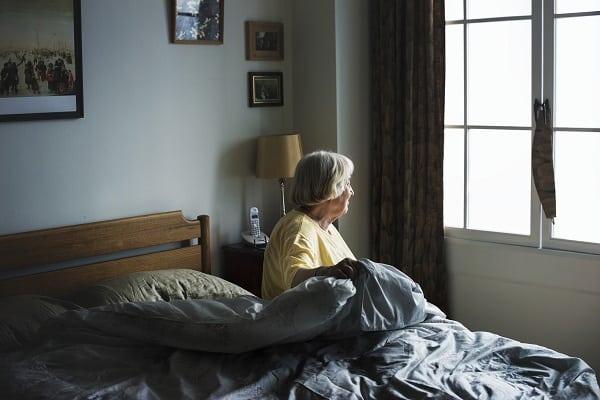
One of the top health risks of retirement is depression. At first, retirement can be a time of great joy. You finally have the freedom to do what you want, when you want. But for many, that sense of joy quickly fades. The structure and routine of work disappear, leaving a big void in your life. Social interactions become more limited and your sense of purpose starts to dwindle.
All of these factors can lead to depression, which can have a serious impact on your physical health. So if you’re feeling down after retirement, it’s important to reach out for help. There are many resources available to support retirees through this transition. With the right help, you can enjoy a happy and healthy retirement.
Weight Gain
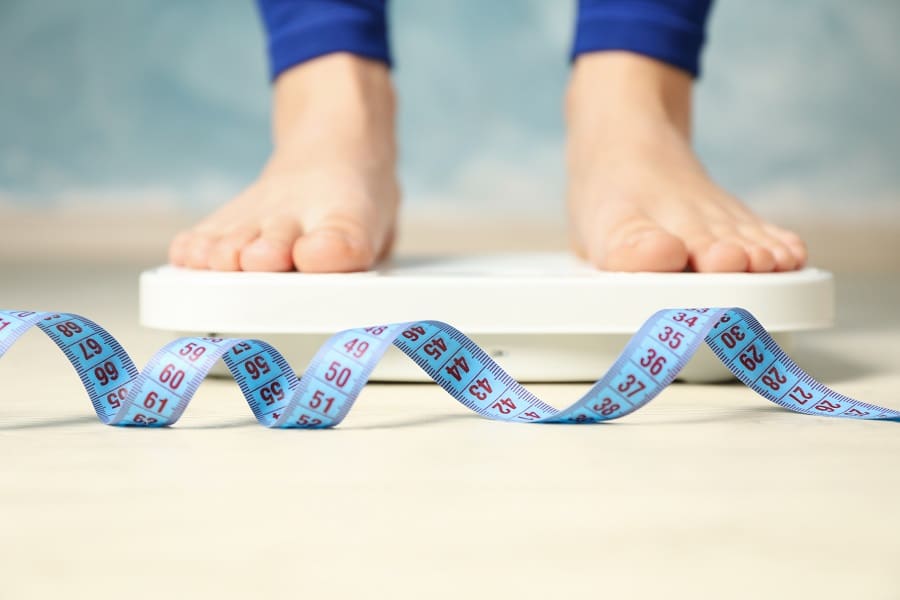
One of the top health risks associated with retirement is weight gain. When you retire, you often have more time on your hands and less to do. This can lead to boredom and a sedentary lifestyle, contributing to weight gain. Additionally, retirement can be a stressful time, and many people turn to food as a way to cope with their stress. This can also lead to weight gain.
Furthermore, as we age, our metabolism slows down and we lose muscle mass. Both of these factors make it harder to maintain a healthy weight. To avoid these risks, to stay active, engaging in retirement, and being mindful of your eating habits are important. Taking these steps can help keep your weight in check and enjoy a healthy retirement.
Age
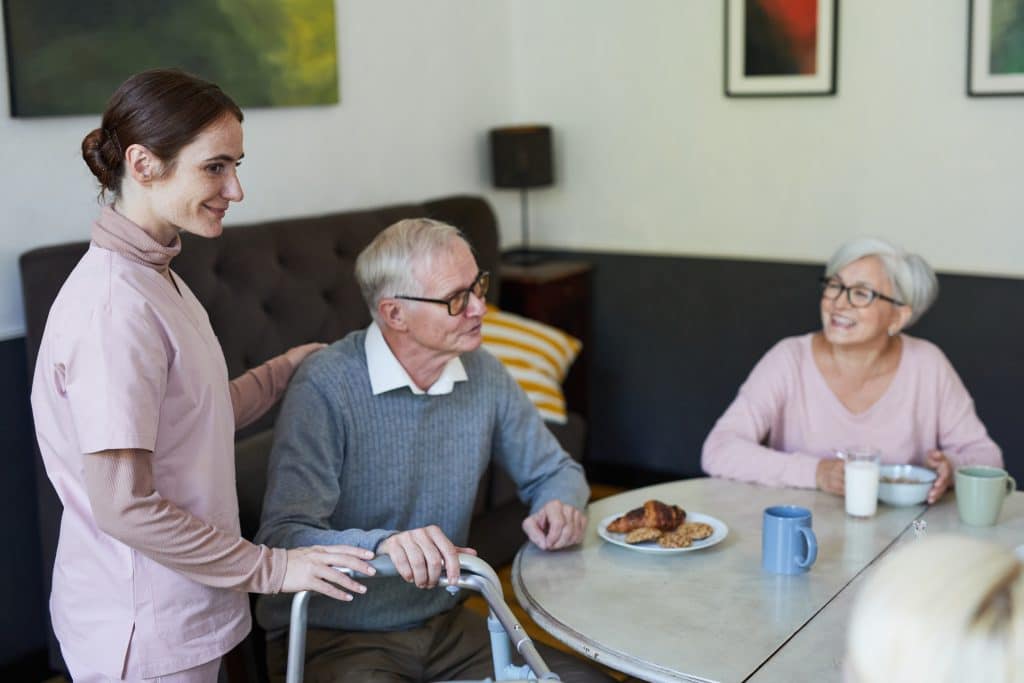
One of the top health risks associated with retirement is an increased risk of developing dementia. According to a recent study, the risk of dementia increases by about five percent each year after age 65. This means that seniors who retire at 65 have a nearly 30 percent chance of developing dementia within the next 20 years.
There are several theories as to why this is the case, but one possibility is that retirement leads to social isolation, which can contribute to cognitive decline. Another theory is that retirees often become sedentary, which can lead to a decline in brain function. Whatever the cause, it’s important for retirees to be aware of this risk and take steps to stay mentally active and socially engaged.
Other health risks associated with retirement include an increased risk of heart disease and cancer. These risks are likely because retirees often have more time on their hands, which can lead to unhealthy lifestyle choices such as smoking and overeating.
Additionally, retirees often have less access to health care and are more likely to have chronic health conditions. As a result, retirees need to make sure they are getting regular checkups and screenings for common diseases. By understanding the top health risks associated with retirement, seniors can take steps to stay healthy and enjoy their golden years.
Know These Risks If You Plan On Retirement
Summarizing the article, some health risks associated with retirement are loneliness, weight gain, depression, and an increased risk of developing dementia. Additionally, retirees often have less access to health care and are more likely to have chronic health conditions. As a result, retirees need to make sure they are getting regular checkups and screenings for common diseases. By understanding the top health risks associated with retirement, seniors can take steps to stay healthy and enjoy their golden years.