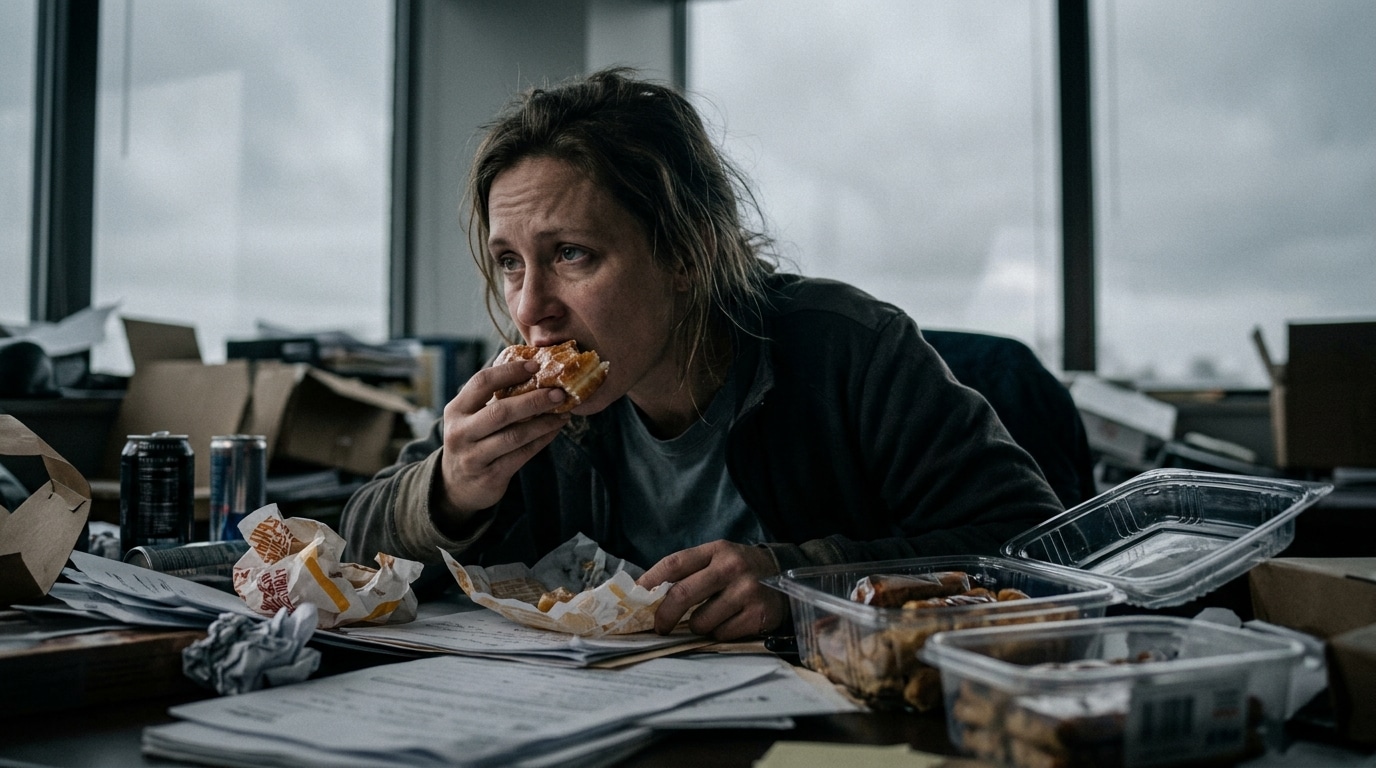
Weight Gain

People often find that their bodies change unexpectedly as they age. For many retirees, one of the most unexpected changes is weight gain. Although it is often a cosmetic issue, excess weight can significantly impact retiree health. One of the most severe risks is cardiovascular disease. Carrying excess weight puts strain on the heart and can lead to conditions like high blood pressure and heart attacks.
Weight gain can also contribute to joint problems, making it challenging to stay active and mobile; being overweight increases the likelihood of developing diabetes, which can lead to a host of other health problems. While retirement should be a time to enjoy good health, for many retirees, poor health due to weight gain is a hidden danger.
Poor Sleep

Most people understand that getting a good night’s sleep is vital for overall health and well-being. However, many people don’t realize that sleep is especially crucial for seniors. Poor sleep can have many dangerous consequences for older adults, including an increased risk of falls, cognitive decline, and even depression. In addition, poor sleep can also exacerbate existing health problems and make it more difficult for the body to heal, which is why it’s so important for seniors to get enough rest.
Unfortunately, many retirees find that their sleep patterns are disrupted by many factors, including medications, changes in schedule, and chronic health conditions, which can make it challenging to get the quality sleep they need to stay healthy and safe. As a result, insomnia can carry with it some dangerous hidden risks.
Malnutrition

Malnutrition is often not a concern because it is less visible than other health problems such as obesity or heart disease. However, malnutrition can have a significant impact on an older person’s health, contributing to frailty, weakness, and even death. Malnutrition occurs when a person does not consume enough of the nutrients their body needs to function correctly, which can happen for many reasons, including poor appetite, difficulty chewing or swallowing, and reduced absorption of nutrients from food.
Older adults are especially vulnerable to malnutrition because they often have chronic health conditions that make it difficult to eat a balanced diet. In addition, many older adults live alone and may not have someone to help them shop for or prepare nutritious meals. As a result, retirees who are not getting the proper nutrition are at risk for many serious health problems.
Inflammation

Inflammation is a risk factor for many chronic diseases, including heart disease, stroke, cancer, and Alzheimer’s. And it’s on the rise among older adults. Seniors are more likely to have high levels of inflammation than younger adults. There are several reasons for this. First, inflammation is a natural response to injury and illness. And when you get older, your body becomes more susceptible to injury and infection, which results in more inflammation.
Second, chronic stress can contribute to inflammation. When you’re under constant stress, our bodies produce more of the stress hormone cortisol. This hormone triggers the release of inflammatory chemicals in the body. Third, a poor diet can also lead to inflammation. A diet high in sugar, refined carbohydrates, and unhealthy fats can increase inflammation.
Finally, certain medical conditions can also lead to inflammation. These include arthritis, obesity, and diabetes. Being a retiree, you must be aware of these risk factors for inflammation. By understanding the causes of inflammation, you can take steps to prevent it and protect your health.
There Are Many Hidden Dangers Of Poor Retire Health
As you can see, many hidden dangers exist for poor retiree health. From poor sleep to inflammation, these risks can have a severe impact on your health and well-being. That’s why it’s so important to take steps to protect your health as you age. If you’re a retiree, make sure you’re getting enough rest, eating a nutritious diet, and managing any chronic health conditions you may have. By taking these steps, you can help reduce your risk of serious health problems and enjoy a healthier, happier retirement.