Most people have heard of probiotics, but what about prebiotics? Prebiotics are a type of carbohydrate that escape digestion and reach the large intestine, where they stimulate the growth and activity of beneficial bacteria. There are many different prebiotic foods that you can eat to improve your gut health. This article will examine some of the most popular prebiotic foods and why they are so beneficial! So if you want to learn more about improving your gut health, read on!
How Prebiotics Work
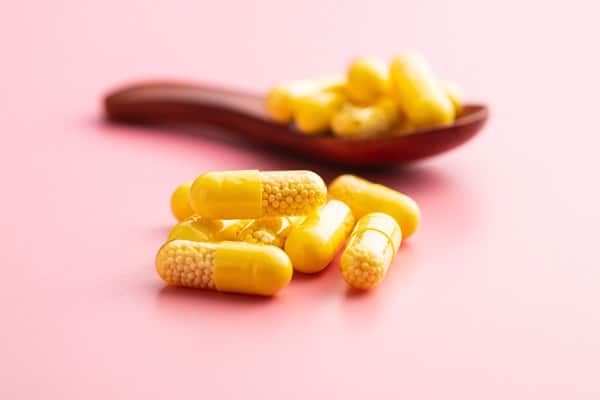
Prebiotics are the dietary fiber that serves as food for probiotics, the “good” bacteria that live in your gut. Probiotics are beneficial for overall health, but they need a regular supply of prebiotics to survive and thrive. When you eat prebiotic-rich foods, the prebiotics travel through your digestive system undigested, they reach your large intestine, where probiotics feed on them.
This process stimulates the growth and activity of probiotics, promoting a healthy gut microbiota. Prebiotics also promote regularity, help prevent digestive disorders, and boost immunity. In addition, they may help to lower cholesterol levels and protect against certain types of cancer. So if you’re looking for a way to support your gut health, consider adding some prebiotic-rich foods to your diet.
Types Of Prebiotics

Prebiotics come in a few different forms. However, to fully understand them, it’s essential to take a brief look at each type.
- Xylooligosaccharides Prebiotics (XOS): XOS prebiotics are natural prebiotics extracted from plant fiber.
- Inulin Prebiotics: Inulin is a prebiotic in Jerusalem artichokes, bananas, garlic, and onions. Inulin prebiotics promotes regularity, prevent constipation, and boost immunity.
- Fructo-oligosaccharides (FOS): FOS is a prebiotic in chicory root, asparagus, garlic, and onions. FOS prebiotics is a class of carbohydrates composed of short chains of fructose molecules, a specific sugar form. Enzymes are used to create FOS.
- Galacto-oligosaccharides (GOS): GOS is a prebiotic type found in beans, legumes, and some types of fruit. GOS prebiotics is available in two forms: lactose as the starting material and the other produced by a chemical reaction that uses galactose as a reactant. GOS may also be from plant fibers linked in a chain of galactose units.
- Resistant Starch (RS): RS is a type of starch that is not digested by enzymes in the stomach and instead travels through our bodies without being modified.
- Human Milk Oligosaccharides (HMOs): HMOs are a prebiotic type found in human breast milk. Selective feeding of particular strains of Bifidobacteria within the infant’s developing digestive system is typical in HMOs. These molecules have intricate structures and are only in breast milk.
- Isomaltooligosaccharide (IMOs): IMOs are a prebiotic type found in some types of honey. IMO extract is a combination of short-chain carbohydrates produced from maltose by microorganisms.
If you are learning about prebiotics, you may be wondering which foods contain them. Some of the most prebiotic-rich foods include:
Bananas
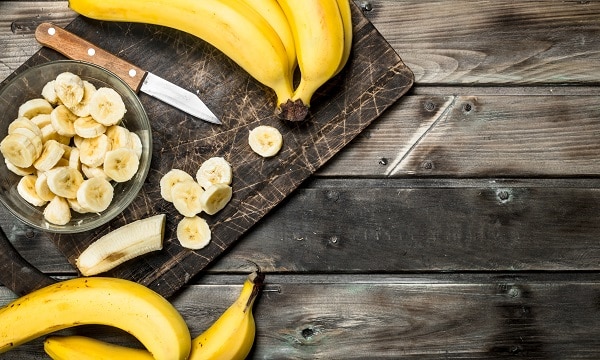
Bananas are a delicious and nutritious snack, but did you know that they also contain prebiotics? Studies have shown that prebiotics can help to increase the diversity of gut bacteria, which can, in turn, improve overall health, which is essential because the gut microbiota plays a role in many aspects of human health, including immunity, digestion, and metabolism.
While many foods contain prebiotics, bananas are an excellent source due to their high soluble fiber content. So next time you reach for a banana, remember that you do not just satisfy your sweet tooth – you’re also helping to support your gut health!