Vitamin C

Vitamin C is an essential nutrient that helps keep your immune system strong, aiding in the fight against infection and disease. Vitamin C is also necessary for healthy skin and bones and healing wounds. Seniors who don’t get enough vitamin C may be more susceptible to illnesses such as colds and flu and may also have a higher risk of developing osteoporosis or other health problems. The best way to ensure seniors get enough vitamin C is through diet. Foods rich in vitamin C include citrus fruits, leafy green vegetables, tomatoes, and potatoes. Fortified cereals and juices are also good sources of this nutrient. Seniors should aim to consume at least 200 milligrams of vitamin C daily.
Vitamin B9
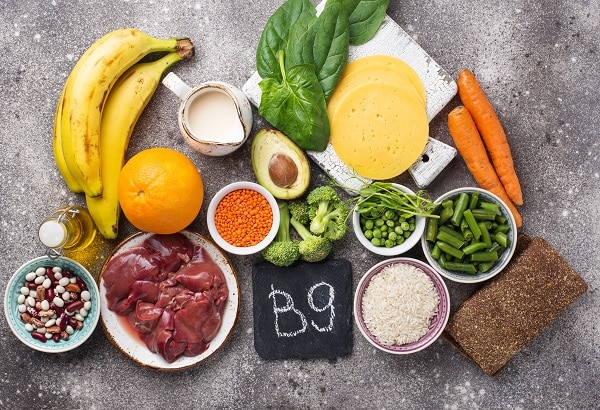
Vitamin B9, also known as folate or folic acid, is a water-soluble vitamin in leafy green vegetables, legumes, nuts, and fortified foods. Although it is often considered a vitamin for pregnant women, seniors also need to ensure they get enough vitamin B9 because vitamin B9 helps produce red blood cells and prevent anemia. It also helps to maintain nerve function and cognitive health. Vitamin B9 is a nutrient that is especially important for seniors to get enough of. As people age, their bodies become less efficient at absorbing nutrients from food, so seniors need to consume more vitamins and minerals than they did when they were younger. In addition, vitamin B9 plays a role in cell growth and DNA synthesis. So be sure to include plenty of leafy greens, legumes, and nuts in your diet, or take a daily supplement to ensure you’re getting enough vitamin B9.
Vitamin K

Vitamin K is a nutrient that is essential for blood clotting and bone health. It is in leafy green vegetables, broccoli, Brussel sprouts, and cabbage. Seniors need vitamin K because their bones become more fragile as they age, and their risk of osteoporosis increases. Vitamin K also helps to prevent dangerous bleeds in the brain. A lack of vitamin K can cause easy bruising and bleeding, even from a minor injury. That is why seniors need to get enough vitamin K daily through diet or supplements. Talk to your doctor about whether you need a vitamin K supplement and how much you should take.
Remember The Vitamins Seniors Need Daily!
If you are a senior, you are probably well aware that getting all the nutrients you need is more critical than ever, which is why it’s essential to be mindful of the vitamins seniors need daily. While most seniors will be okay if they take a daily multivitamin, some seniors may need to take additional vitamins depending on their health condition. By getting the right amount of vitamins, seniors can help to safeguard their health and enjoy a better quality of life. Talk to your doctor about whether you need to take any vitamin supplements and how much you should take.