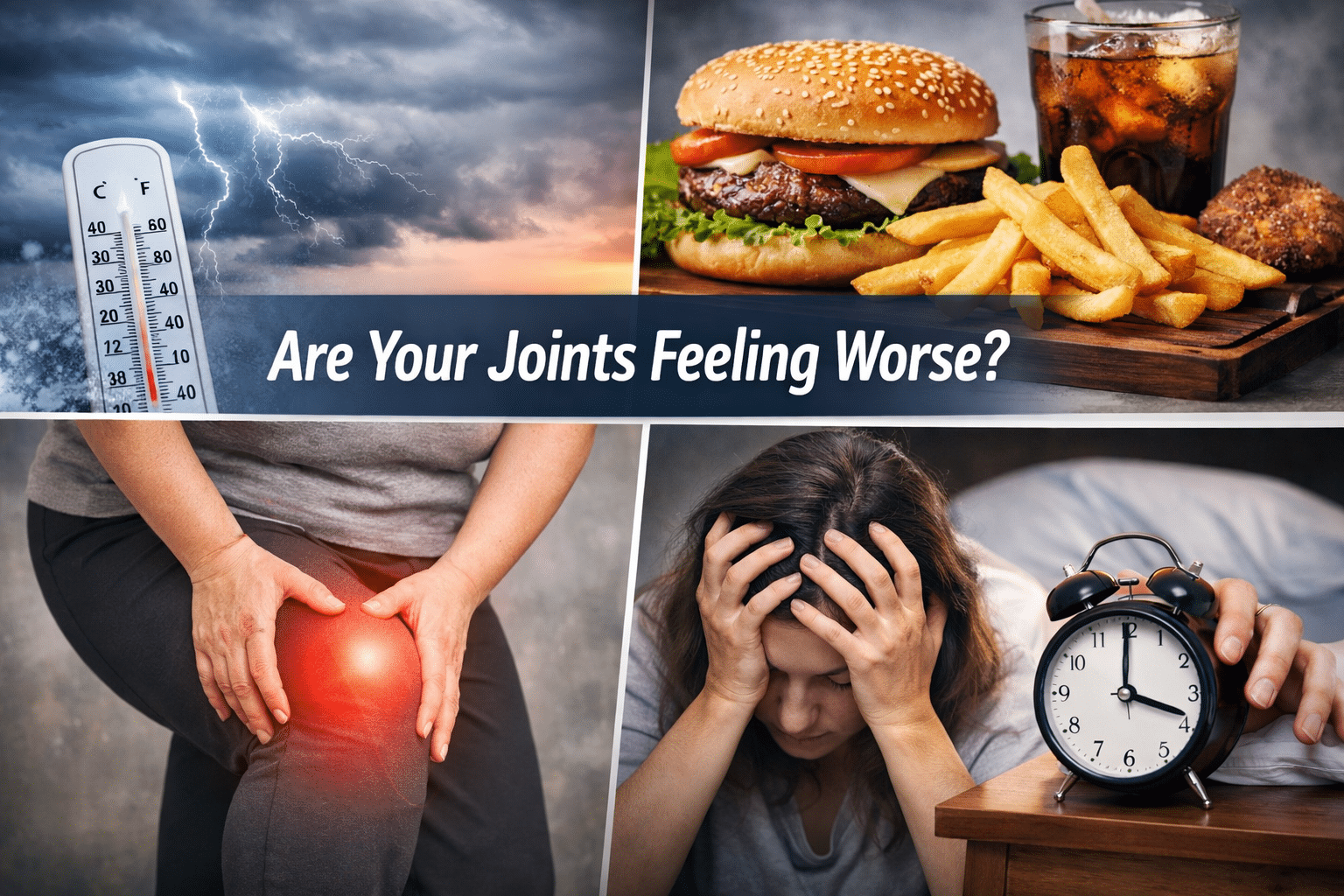
It’s no secret that vitamins are essential for everyone. However, as you age, it becomes more vital to ensure that your body is getting the right nutrients, especially when it comes to vitamins and minerals. There are a few vitamins seniors need to be taking every day to stay healthy. From vitamin A to vitamin K, this article will give you a brief overview of the vitamin and why it’s essential for seniors.
Vitamin A

Vitamin A is one of the essential nutrients, and it’s crucial for seniors for many reasons. Vitamin A helps keep your eyes healthy, and you’re at increased risk for developing vision problems like macular degeneration as you age. Vitamin A also plays a vital role in your immune system health; your immune system becomes less effective as you age. Seniors who don’t get enough Vitamin A may be more susceptible to infections and illnesses. Finally, Vitamin A is essential for healthy skin. As you age, your skin becomes thinner and more fragile, and Vitamin A helps to keep it strong and elastic. So if you’re a senior, ensure you’re getting your daily dose of Vitamin A!
Vitamin D
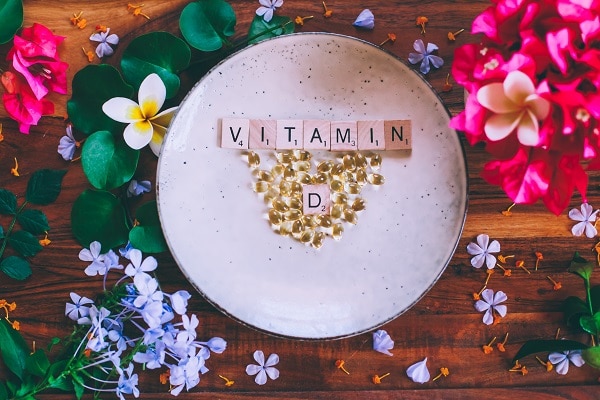
Vitamin D is essential for strong bones and muscles and plays a role in immunity, heart health, and brain function. Seniors are at increased risk for vitamin D deficiency because they are less often in the sunlight, their skin produces less vitamin D, and they are more likely to have problems with absorption. Vitamin D supplements can help prevent deficiency, but it is also essential to include foods rich in vitamin D in your diet. Some good sources of vitamin D include fatty fish, mushrooms, eggs, and fortified milk. So make sure to get your daily dose of vitamin D to keep your mind and body sharp as you age.
Vitamin B12
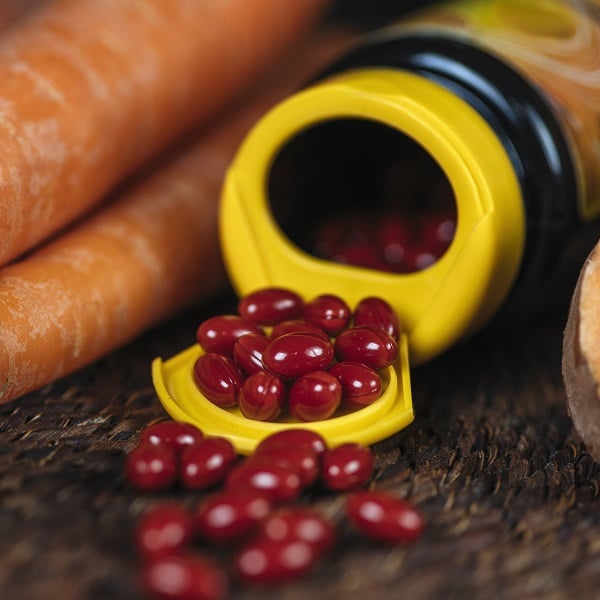
When you get older, your body becomes less efficient at absorbing nutrients from the foods you eat, especially vitamin B12, essential for maintaining healthy red blood cells and nerve function. Seniors are therefore at risk for developing a deficiency in this vital nutrient. Without enough vitamin B12, people may experience fatigue, memory loss, and depression. In severe cases, a deficiency can lead to anemia or neurological damage. The good news is that senior citizens can easily prevent a B12 deficiency by taking a daily supplement or eating foods rich in nutrients, such as eggs, meat, and dairy products. So if you’re a senior citizen, get your daily dose of vitamin B12 to keep your mind and body functioning at their best.