Incorporate More Fiber Into Your Diet
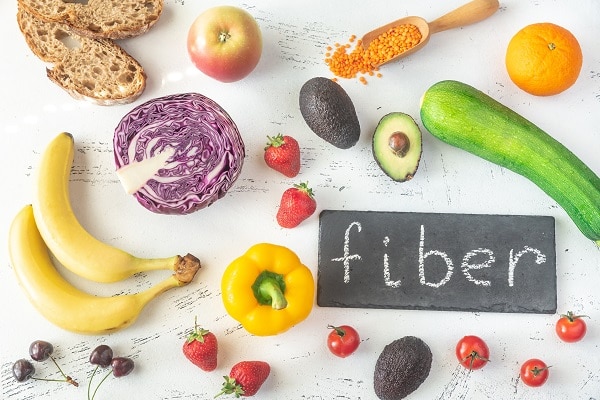
Fiber is an essential nutrient that helps to keep our digestive system healthy and our weight under control. However, fiber can also help to improve insulin sensitivity. Insulin is a hormone that helps to regulate blood sugar levels. Our blood sugar levels rise when we eat, and insulin is released to bring them back down. However, if we overeat sugar or simple carbohydrates, our bodies can become resistant to insulin. This can lead to a condition known as type 2 diabetes. Fiber can help improve insulin sensitivity by slowing down the absorption of sugar into the bloodstream. As a result, fiber can help keep blood sugar levels within a healthy range and prevent the development of type 2 diabetes. In addition, fiber is low in calories and can help to promote weight loss, which is another critical factor in improving insulin sensitivity. So if you’re looking to improve your health, be sure to incorporate more fiber into your diet.
Reduce Your Sugar Intake

When you have diabetes, your body either doesn’t make enough insulin or can’t use its own insulin as well as it should. When there isn’t enough insulin or the insulin doesn’t work correctly, sugar (glucose) can’t get into your cells to be used for energy. Reducing the amount of sugar in your diet is one way to improve insulin sensitivity. This causes your blood sugar level to increase. Sugar is found naturally in many foods, such as fruits, vegetables, and milk. During processing, it’s also added to food and is present in many processed foods and drinks, such as candy, cake, cookies, and soft drinks. You can reduce the amount of sugar in your diet by cutting back on sugary foods and beverages and choosing foods that are lower in sugar. You should also check food labels for the number of sugars in a product. By reducing the amount of sugar in your diet, you can improve your insulin sensitivity and help control your blood sugar level.
Herbs And Spices Are Your Bestfriends

While you may not think of herbs and spices as being particularly healthy, they can play a role in improving insulin sensitivity. Herbs and spices are high in antioxidants, which have been shown to help improve insulin sensitivity. In addition, some herbs and spices have anti-inflammatory properties that can also help reduce the risk of type II diabetes.
- Fenugreek seeds- They’re high in soluble fiber, which helps to improve insulin activity. They’re great when eaten whole, as an extract, or even baked into bread.
- Turmeric- Turmeric has anti-inflammatory and antioxidant effects and a component called curcumin in it. It appears to improve insulin sensitivity by lowering free fatty acids and sugar levels in the blood.
- Ginger- It’s been shown to increase insulin sensitivity. Gingerol, one of the components in this spice, has improved sugar access by making sugar receptors on muscle cells more available.
- Garlic has been linked to increased insulin metabolism and antioxidant properties that improve insulin sensitivity in animal research.
Start Managing Your Insulin Sensitivity Today!
Managing your insulin sensitivity is important for maintaining a healthy blood sugar level. When your body is sensitive to insulin, your cells can respond effectively to the hormone, allowing them to take in glucose from the blood and use it for energy. If your body becomes insensitive to insulin, it can lead to high blood sugar levels, increasing your risk for health problems such as type 2 diabetes. You can do several things to manage your insulin sensitivity, including eating a healthy diet, getting regular exercise, and maintaining a healthy weight. Doing these things can help keep your blood sugar levels under control and reduce your risk of developing diabetes.