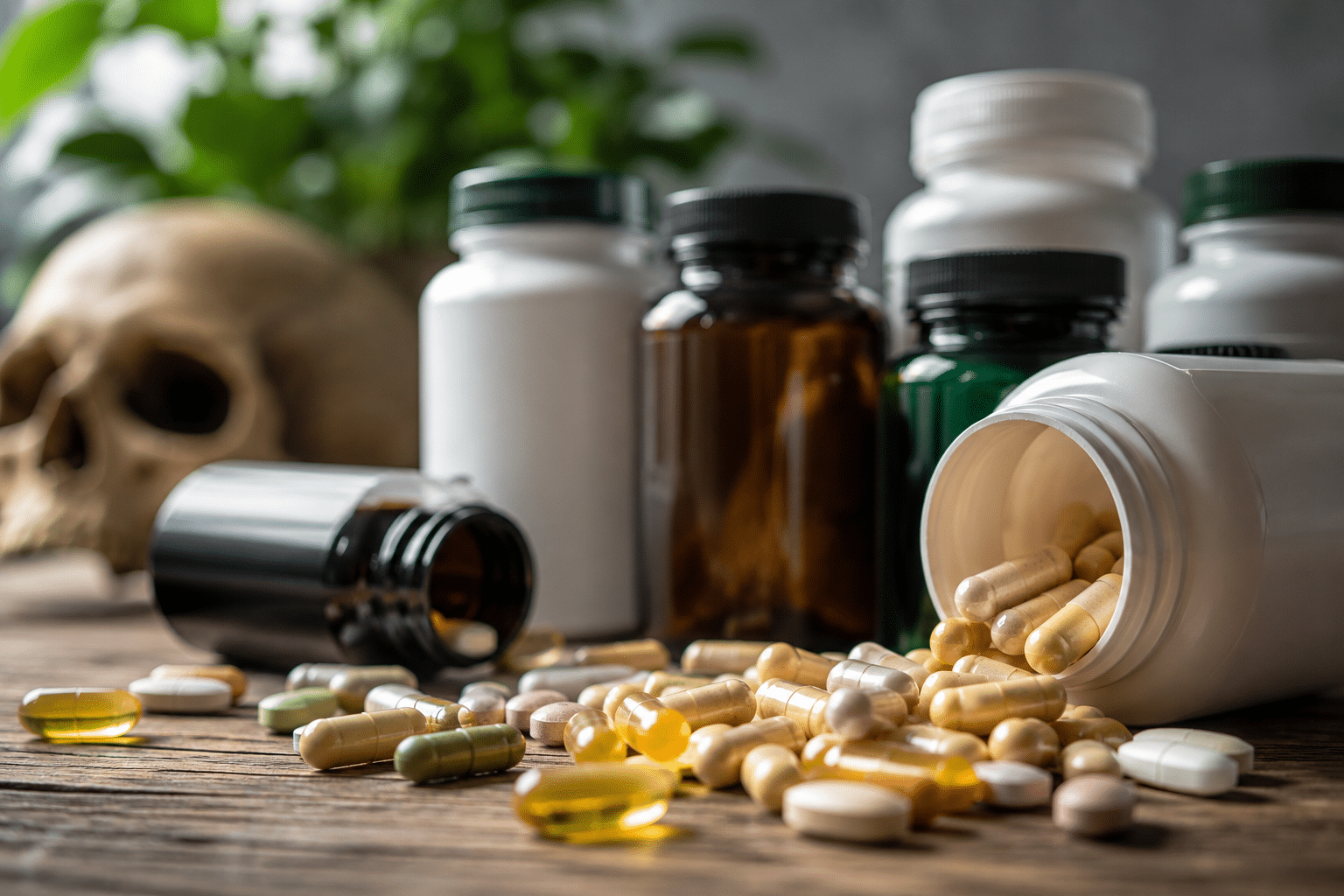
Vitamins are essential for our health, but sometimes we don’t get enough of them. While there are many different vitamins, some of the most important ones for your health are vitamins A, B12, C, D, and E. If you’re feeling run down and constantly sick, you may not be getting enough vitamins. This article will explore some of the signs that you may not be getting enough vitamins.
Tiredness

Feeling tired all the time can be frustrating and make it difficult to get through the day. You may not realize it, but fatigue can signify that you’re not getting enough of certain vitamins and minerals. For example, iron is essential for transporting oxygen throughout the body, and a lack of iron can lead to fatigue and weakness.
If you’re not getting enough vitamin B12, you may also feel tired more frequently because B12 helps the body produce red blood cells, which carry oxygen to the cells. A deficiency in vitamin D can also lead to fatigue, as this vitamin helps the body absorb calcium and phosphorus. If you’re feeling tired all the time, talk to your doctor about whether you might need to supplement your diet with vitamins or minerals.
Bleeding Gums
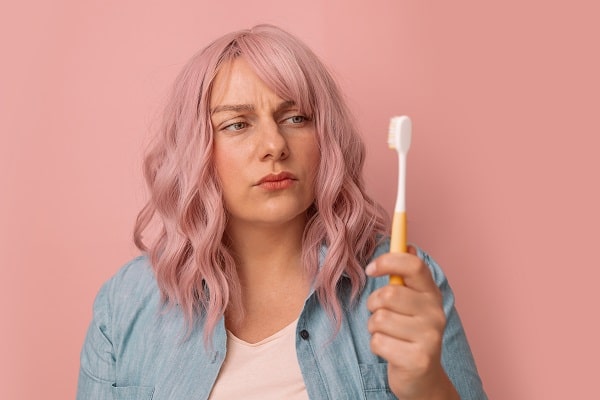
Everyone knows that eating your vegetables is essential for maintaining good health. Still, you might not realize that certain vitamins and minerals are vital for oral health. For instance, vitamin C is necessary for the production of collagen, which helps to keep gum tissue healthy. Vitamin A is also important for oral health, as it helps to fight infection and promote healing. So if you’re noticing that your gums are looking a little red and inflamed, it could be a sign that you’re not getting enough of these essential nutrients. Luckily, there are plenty of foods rich in these vitamins, so make sure to include them in your diet to keep your smile looking its best.
Hair Loss

If you notice more hair in your brush than usual, it might be time to check your vitamin levels. Hair loss can signify that you’re not getting enough nutrients, and vitamins play a significant role in keeping your hair healthy. For example, vitamin A helps produce sebum, which keeps your scalp moisturized, while vitamin C helps to promote collagen production. Vitamin B12 is essential for forming new blood cells, and iron helps carry oxygen to the cells. So if you’re lacking in any of these vitamins, it could lead to hair loss. If you suspect that your diet might cause your hair loss, talk to a doctor or registered dietitian about ways to get more of these essential nutrients.
Joint Pain

Joint pain is a common problem that can be from various factors, including arthritis, injury, and overuse. However, joint pain can also signify that you are not getting enough specific vitamins and minerals. For example, vitamin D is essential for bone health, and a lack of vitamin D can lead to pain and stiffness in the joints. Vitamin C is also necessary for maintaining healthy connective tissue, and a deficiency can cause the joints to become weak and painful.
If you are experiencing joint pain, it is essential to speak with your doctor to rule out other potential causes. However, if your diet lacks specific vitamins and minerals, increasing your intake may help reduce joint pain and improve overall joint health.