
Jogging

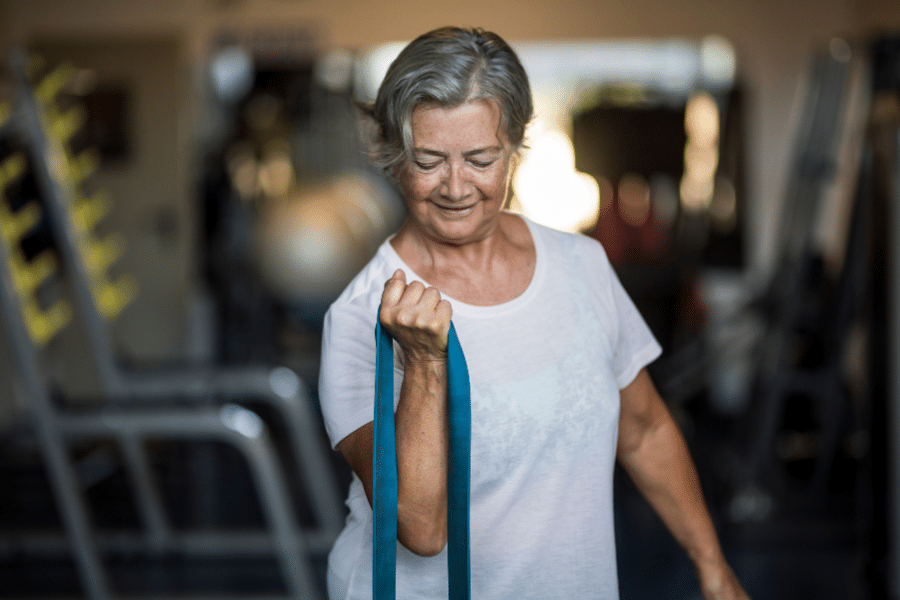
Jogging is a great way to improve your overall health, and it can also help make your bones stronger. When you jog, your bones have to bear the weight of your body, which forces them to become denser and stronger. In addition, the impact of your feet hitting the ground helps to stimulate the production of new bone cells. As a result, regular jogging can help prevent osteoporosis and other conditions that cause bones to become weak and brittle. So if you’re looking for a way to boost your bone health, lace up your sneakers and hit the pavement!
Weight Training

Weight training might be the best way to improve bone density and prevent osteoporosis. When you lift weights, your bones have to work hard to support the weight of the barbell or dumbbell. This resistance training helps build bone mass and slow the rate of bone loss. Furthermore, weight training is a weight-bearing exercise that promotes bone formation by encouraging the growth of new blood vessels. This is significant because it aids in delivering nutrients and oxygen to your bones, which keeps them strong. However, weight training is a high-impact exercise, so although it’s great for building muscle and increasing strength, it may not be suitable for everyone.
Resistance Training
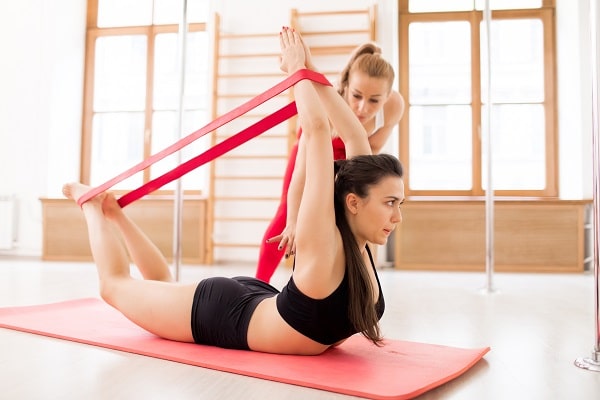
For decades, doctors have recommended that older adults engage in regular resistance training to help prevent osteoporosis. Now, new research shows that this type of exercise may also be beneficial for younger adults. A recent study found that resistance training can help to increase bone density in the hips and spine. The study participants who engaged in resistance training also had significantly lower levels of a specific protein associated with bone loss. These findings suggest that resistance training may help reduce the risk of osteoporosis, even for those not yet elderly. So if you’re looking for a way to keep your bones healthy, start incorporating resistance training into your routine!
Pilates
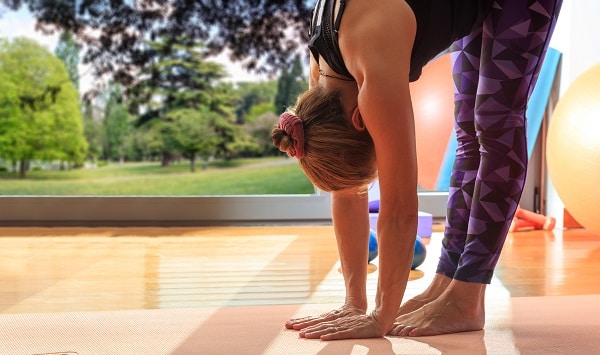
The final exercise on this list is Pilates. Pilates is a great way to exercise your bones and improve overall bone health. Pilates helps strengthen the muscles around your bones, which helps protect your bones from injuries. Pilates also helps to improve your balance and flexibility, both of which are important for protecting your bones. In addition, Pilates can help increase your bone density, which is especially important for people at risk for osteoporosis. Pilates is also another low-impact form of exercise, which is gentle on your bones and joints. As a result, Pilates is an excellent way to exercise your bones without putting you at risk for injury.
Conclusion
While there is no perfect exercise routine to prevent osteoporosis, there are plenty that can help. By incorporating some of the different exercises on this list into your weekly regimen, you can help reduce your risk of developing the disease. If you’re not sure where to start, consult with a personal trainer or physical therapist who can create a program tailored specifically for you. By taking a few simple steps now, you can safeguard your bones for years to come. Just remember to keep active and stay safe!