It is estimated that over 5 million Americans have Alzheimer’s disease, and sadly, that number is only going to increase as the population ages. While there is currently no cure for Alzheimer’s, there are certain foods that can help reduce your risk of developing the disease. To help you get a better idea of what you should be eating, this post will give you a list of some of the foods known to reduce the risk of this debilitating disease.
Fatty Fish

Fatty fish are a great source of omega-3 fatty acids, which have been linked to a reduced risk of Alzheimer’s disease. In fact, a recent study found that people who ate two or more servings of fatty fish per week were significantly less likely to develop Alzheimer’s than those who didn’t eat fish at all. The omega-3 fatty acids in fish are thought to protect the brain by reducing inflammation and improving cognitive function. So, if you’re looking for ways to reduce your risk of Alzheimer’s, eating more fatty fish is a good place to start.
Turmeric
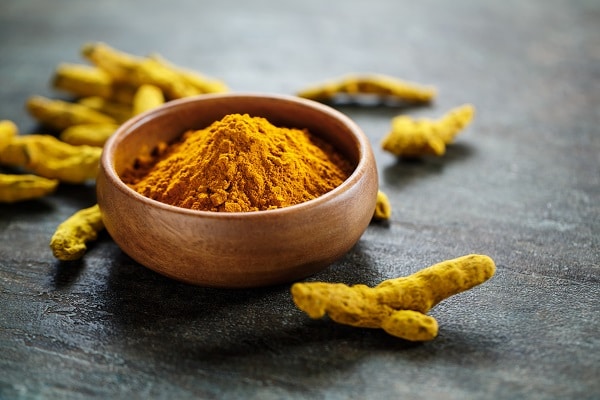
Turmeric is a spice that has been used in Indian cuisine for centuries. Recently, however, turmeric has gained popularity for its potential health benefits, including the ability to reduce the risk of Alzheimer’s disease. Alzheimer’s disease is a degenerative brain disorder that leads to memory loss and impaired cognitive function. The main component of turmeric, curcumin, has been shown to inhibit the formation of amyloid plaques, which are a hallmark of Alzheimer’s disease. In addition, curcumin helps to reduce inflammation and protect neurons from damage. Animal studies have shown that curcumin can delay the onset of Alzheimer’s disease, and some human studies have suggested that it may improve cognitive function in people with mild cognitive impairment.
Leafy Greens

According to recent research, eating leafy greens may help reduce your risk of Alzheimer’s disease. One study found that people who ate the leafiest greens had a slower rate of cognitive decline than those who ate the least. Leafy greens are rich in nutrients like vitamins K and E, which have been linked to better cognitive function. They also contain lutein and beta-carotene, antioxidants that can help protect the brain from damage. While more research is needed to confirm these findings, they suggest that adding leafy greens to your diet may help keep your mind sharp as you age.