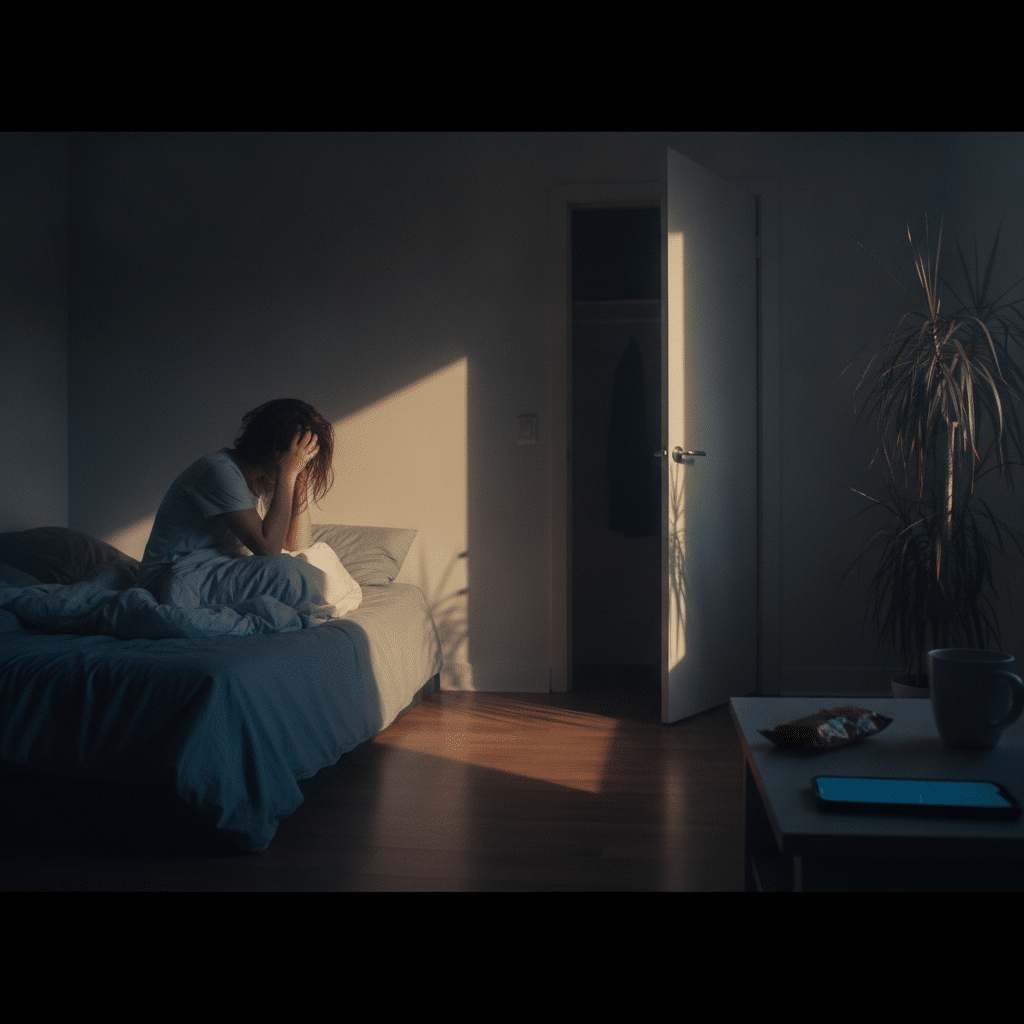

Difficulty Finding Words

Sleep plays an important role in memory and learning, so it’s not surprising that a lack of sleep can impact your ability to think clearly and find the right words. Everyone has moments where they can’t quite think of the right word. But if you’re regularly forgetting simple words or having trouble communicating, it could be a sign that you’re not getting enough sleep. When you’re tired, your brain has difficulty encoding new information and retrieving memories. This can lead to the “tip-of-the-tongue” phenomenon, where you know the word you want to use but can’t quite remember it. So next time you’re having trouble finding the right words, it might be a good idea to get some more rest.
Getting Sick More Often

There are several reasons why getting sick more often is a sign that you’re not getting enough sleep. One reason is that sleep helps to boost the immune system. During sleep, the body produces cytokines, proteins that help fight infection. Without adequate sleep, the body is less able to make these cytokines, leaving you more susceptible to colds and other illnesses.
Additionally, sleep deprivation can cause the body to release stress hormones that can suppress the immune system. Finally, lack of sleep can lead to poor lifestyle choices, such as skipping meals or not exercising, weakening the immune system. So if you find yourself getting sick more often than usual, it could be your body’s way of telling you to sleep more.
You Have A Lack Of Energy

This one is the most apparent sign but still worth mentioning. When you don’t get enough sleep, your body doesn’t have time to recharge and prepare for the next day. As a result, you may feel sluggish and have trouble concentrating. You may also find yourself snacking more often as your body tries to find ways to boost your energy levels. If you’re consistently feeling tired during the day, improving your sleep habits is crucial.
This can include avoiding caffeine late in the day, establishing a regular bedtime routine, and disconnecting from electronic screens before bed. By making small changes to your daily routine, you can ensure that you’re getting the restful sleep you need to feel energetic and ready to take on the day.
Your Skin Looks Dull

Suppose your skincare routine is on point. Your cleansing, toning, and moisturizing morning and night. You’re even using a face mask once a week, and your skin still looks dull. It could be a sign that you’re not getting enough sleep. When you don’t get enough shut-eye, your body produces more of the stress hormone cortisol. Cortisol can lead to inflammation and breakouts.
Plus, sleep deprivation can cause your skin to lose moisture, leading to dryness, flakiness, and fine lines. If you’re looking for brighter, more radiant skin, aim for seven to eight hours of sleep each night. In addition to helping your skin recover from the day’s damage, you’ll also look and feel more refreshed.
Conclusion
Getting enough sleep is essential for your health and well-being. If you’re not getting the recommended hours, you may experience some adverse side effects. If you believe you are suffering from a sleep disorder, it is important to consult with your doctor. They can help you identify the root cause of your sleep problems and recommend appropriate treatment options. By making small changes to your daily routine, you can ensure that you’re getting the restful sleep you need to feel your best.