Manage Your Stress Levels

High blood sugar can result from stress, and managing your stress levels is one way to lower your blood sugar. When you’re stressed, your body releases the hormone cortisol. Cortisol signals the liver to produce more glucose, leading to high blood sugar levels. In addition, when you’re stressed, you may not feel like eating healthy foods or exercising – both of which are important for maintaining healthy blood sugar levels. Fortunately, there are many things you can do to manage your stress and keep it under control. Some people find that exercise or yoga helps them relax and de-stress. Others find that spending time with friends or family members helps them feel better. Some people find that reading or listening to music helps them calm down. No matter what works for you, make sure to find time each day to relax and de-stress. This will help keep your cortisol levels in check and lower your blood sugar levels in the long run.
Get More Quality Sleep

Getting enough quality sleep is another critical part of managing high blood sugar levels. When you don’t get enough sleep, your body releases ghrelin. Ghrelin signals the body to increase hunger and can lead to weight gain. In addition, lack of sleep can cause insulin secretion and glucose tolerance problems. This means that your body can’t use insulin effectively and that your blood sugar levels may be higher than usual. The solution is simple – make sure to get at least eight hours of quality sleep each night. You may want to go to bed and wake up at the same time each day, avoid caffeine and alcohol before bed, and avoid using electronic devices in bed.
Eliminate Simple Carbs
Another important dietary change you can make is eliminating simple carbs from your diet. These are digested and absorbed quickly, leading to a spike in blood sugar levels. Common examples of simple carbs include white bread, pasta, rice, sugary drinks, and candy. By eliminating these foods from your diet, you can help keep your blood sugar levels under control. There are many healthy alternatives to simple carbs that you can include in your diet instead. For example, whole-grain bread, pasta, rice; fruits and vegetables; and lean protein. These foods will not only help lower your blood sugar levels, but they will also provide you with other important nutrients that your body needs.
Monitor Your Blood Sugar Levels
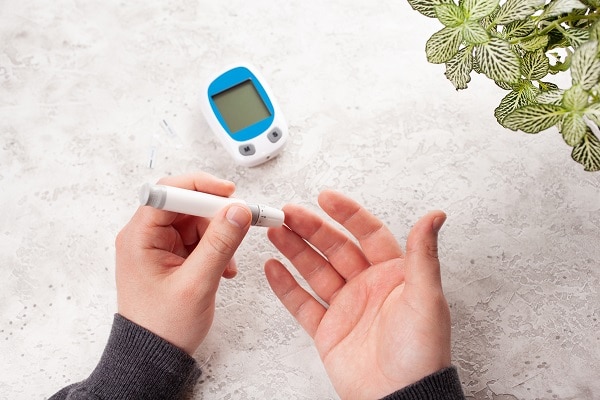
There are many different ways to monitor your blood sugar levels, so find one that works best for you. The best way to lower your blood sugar levels is by monitoring them regularly. This means checking your blood sugar level at least 2-3 times per week. By keeping track of your blood sugar levels, you can see how different foods, activities, and stress levels affect them. This information will help you make more informed dietary choices and lifestyle changes.
Conclusion
Lowering your blood sugar levels is essential for maintaining good health and preventing chronic health conditions. There are many different methods you can use to lower your blood sugar levels, so find one that works best for you. Make dietary changes, exercise regularly, and eliminate simple carbs from your diet. Monitor your blood sugar levels regularly to see how different things affect them. These steps will help you maintain healthy blood sugar levels and improve your overall health.