Most of us probably think we know what constitutes a healthy diet. We eat lots of fruits and vegetables, stay away from unhealthy foods, and don’t overeat. However, some other factors can make or break your nutrition plan. So what is a healthy diet? This may seem like an easy question, but the answer is very complex. It’s not just about whether or not you eat junk food; it’s about how you choose your foods, what quantities you consume, and what proportions these makeup up your total daily intake. This article will discuss nine building blocks of a healthy diet.
Moderation

Most people can agree that junk food is not good for you. However, the question is how much? Moderation may seem like a vague term, but it defines your diet. Some things may be okay to eat in small quantities every once and a while; others may be less frequent. This is when your cravings can come into play when you’re trying to choose what to eat. If they win, that’s when moderation goes out the window, and you give in.
Portion Control
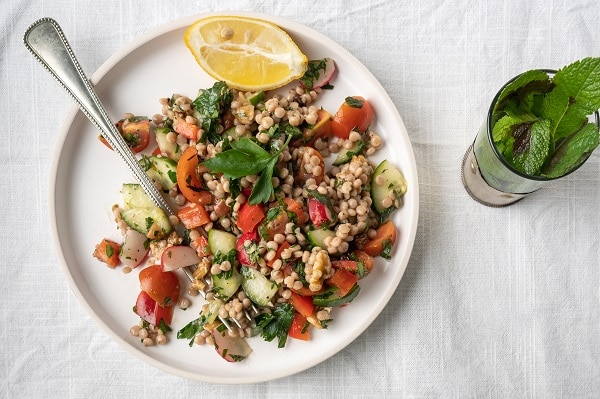
The portion sizes we tend to eat today are much larger than the recommended serving size. These large portions make it difficult for us to keep up with the calories we’re consuming and do not promote a healthy lifestyle. To achieve a healthy diet, you should get in touch with your plate. Your plate is the best way to get an idea of how much you should be eating at each meal. Most Americans eat three times more than their plates can hold while still maintaining a healthy diet.
Balance
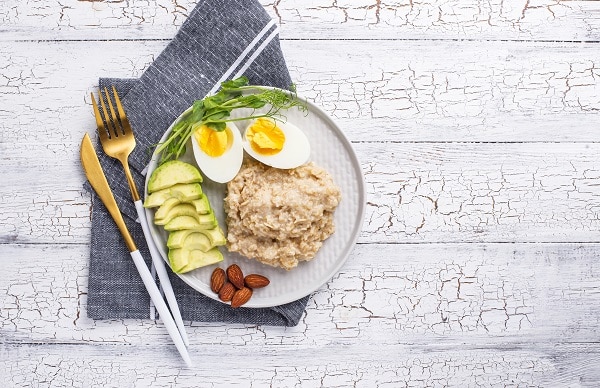
The next building block of a healthy diet is balance. This means that you should plan meals around the food groups to make sure you are getting the proper nutrients for your body. For breakfast, lunch, and dinner, try to incorporate grains, vegetables, fruits, dairy, protein, and some fat into your meals. Balance does not mean if you have a handful of almonds in your salad, it makes up for the slice of pizza at lunch. It is very much possible to eat a small portion of a wide variety of food groups throughout the day that totals less than 2000 calories and be healthy.
Fruits And Vegetables
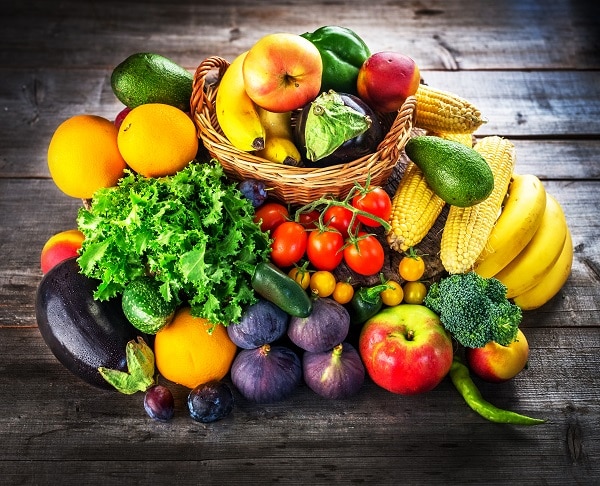
These are the types of food most Americans lack in their daily meals. We know that fruits and vegetables are healthy, but many people don’t enjoy eating them regularly. This is where you can incorporate some sneaky ways to get in your fruits and vegetables without even knowing it. Try putting some spinach in your smoothies or kale, cucumbers, and carrots on your sandwiches. Fruits and vegetables are rich in vitamins, minerals, fiber, antioxidants, and phytonutrients which all have their benefits.