Teeth are one of the most critical parts of the human body. Not only do they allow us to chew and digest our food, but they also play a crucial role in our appearance. Your teeth are usually one of the first things people notice about you, so it feels good to keep them looking nice. Unfortunately, teeth can also be one of the first places to show signs of aging. This blog post will detail some of the ways your teeth change as you get older.
Teeth Shift
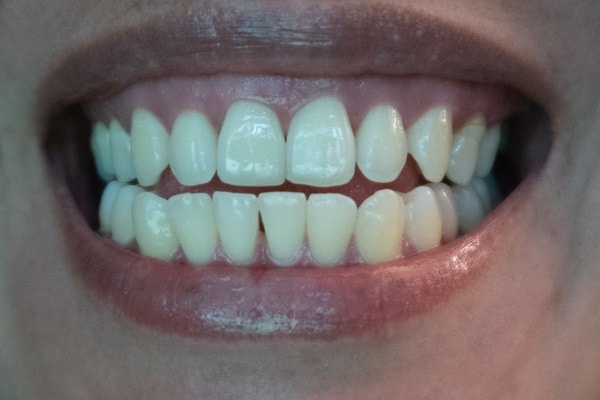
As you age, your jawbone slowly starts to shrink. The shrinking causes your teeth to shift and creates a tighter space between your gums and teeth. This can be very uncomfortable and make it very difficult to chew food. In some cases, this bone loss can happen at an alarming rate, which can cause your teeth to shift quickly. If you experience discomfort in your jawbone or your teeth are shifting, speak with a dentist about ways to keep your teeth in place.
Enamel Weakens
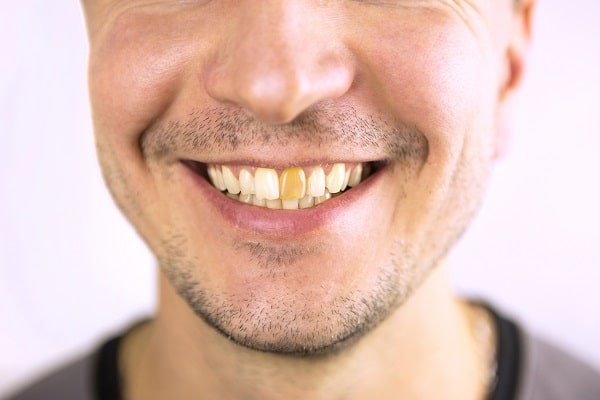
Over time, the enamel in your teeth begins to wear away slowly. This can affect your teeth in a variety of ways. First and foremost, it makes them more susceptible to tooth decay and cavities. Enamel protects the inner parts of your teeth from bacteria, so when it weakens, you are less protected against dental problems. Additionally, weakened enamel makes your teeth look gray and dull, and it can cause them to chip and crack more easily.
Teeth Yellow

Just as the enamel in your teeth wears away over time, so does their whiteness. This is a normal part of aging, but it can make you look older if you don’t maintain your teeth’ natural color. If you smoke, drink coffee, or red wine, or if you are experiencing the effects of aging on your teeth, make sure to keep them looking at their brightest by brushing with a whitening toothpaste and flossing regularly.