
Candies, carbonated beverages, and bakery items all have vibrant colors, thanks to artificial food colors. They’re even in several pickles, smoked salmon, and salad dressing brands, as well as some pharmaceuticals. The use of synthetic food colors has surged by 500 percent in the previous 50 years, with children being the primary consumer.
Artificial colors, it has been said, create significant adverse effects such as hyperactivity in children, cancers, and food intolerances. The matter is divisive, and there are many differing viewpoints on the safety of artificial food colors.
This article can help readers distinguish between facts and fiction.
What Are Synthetic Dyes?

The FDA defines a color additive as “any ingredient that contributes color to a food item, medicine, cosmetic, or the human body.” However, a crucial detail is missing from this definition:
Artificial food colors are complicated compounds manufactured by humans which were once created from coal tar but are now produced from petroleum. Petroleum is a type of crude oil used to manufacture gasoline, diesel fuel, asphalt (the sticky black substance used to build driveways), and plastic. Doesn’t it sound delicious?
Artificial Colors Currently Used In Food
The following synthetic colors are approved by the FDA, regardless of the health concerns they carry;
Blue No. 1 (Brilliant Blue)

Ice cream, dairy items, beverages, canned, processed peas, and confectionery employ this Food Drugs & Cosmetic Dyes color. This is also used in detergent, conditioners, and makeup as a coloring agent.
Blue No. 2 (Indigo Carmine)

It is a dark blue or “Royal blue” synthetic food colorant (or artificial color) used in baked products, cereals, confectionery, ice cream, and candies.
Red No. 3 (Erythrosine)

It’s a cherry-pink-colored synthetic dye. Cake designing cream, candy, and ice lollies, among other delicacies, are dyed with it.
Red No. 40 (Allura Red)

Cereals, drinks, gelatins, pies, dairy products, desserts, powder mixes, garnishes, jellies, seasonings, dressings, condiments, baked goods, and confectionaries all contain this ingredient. It’s also used in the pharmaceutical industry.
Yellow No. 5 (Tartrazine)

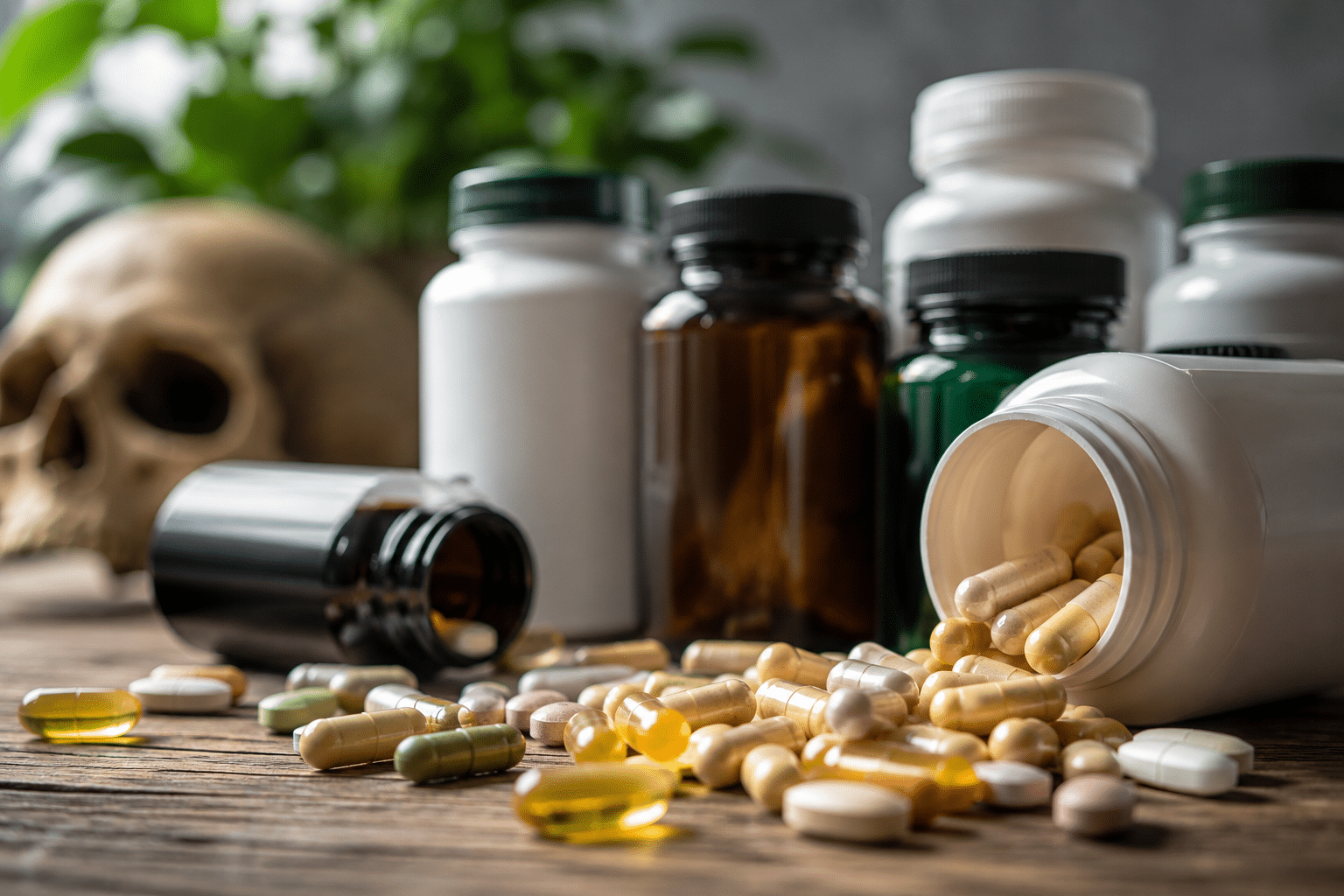
The FDA-approved color FD&C Yellow No. 5 is often used to color pharmaceuticals, pills, capsules, supplements, and antacids. Yellow No. 5, often known as tartrazine, is an azo dye that gives foods, medicines, and beauty products a lime tint.
Yellow No. 6 (Sunset Yellow)

It’s a reddish-yellow synthetic food colorant used to tint drinks, cereals, baked products, confectionaries, and ice cream.
Why Are Artificial Colors Bad For You?
Maximize Inflammatory Diseases And Interrupts Body’s Immune Operation

Meals containing artificial colors can trigger an allergic reaction in the body, prompting the immune system to become activated (increases the number of white blood cells entering the bloodstream).
Synthetic pigments are made up of tiny compounds that can connect to proteins in our bodies. This might cause immune system problems since the immune system has a hard time defending the body against them.