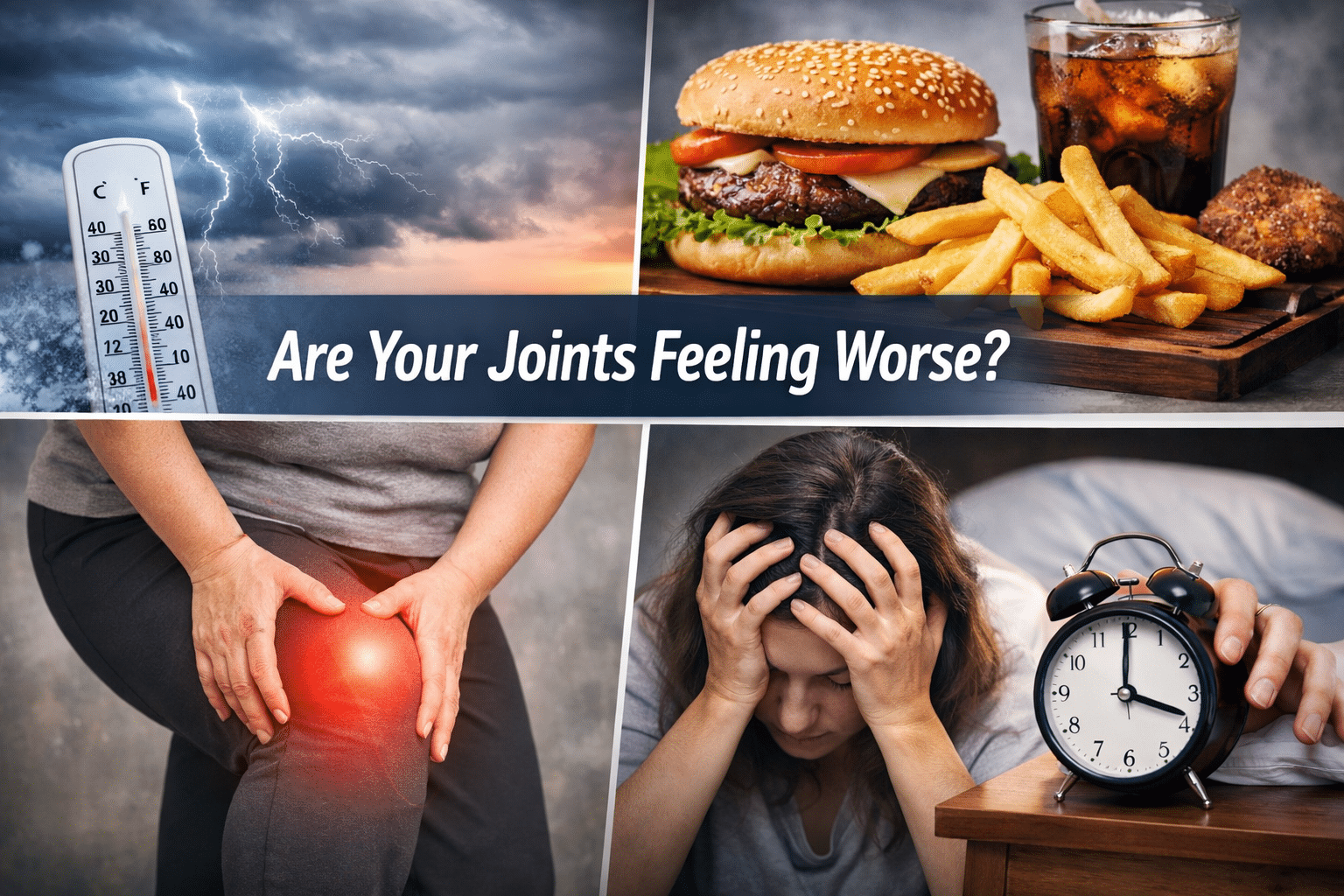
It’s often said that age is just a number, but what if lifestyle choices could make that number appear much higher than it is? Surprisingly, numerous factors, from what’s on your dinner plate to your daily habits, can make you age at an accelerated rate. This article aims to shed light on the various contributing elements to aging. By identifying these factors, one can take control of the aging process through informed decisions. This post will delve deep into each aspect, from diet and exercise to stress management and skincare, providing valuable insights and actionable tips for a healthier, younger you.
Contents
Diet and Nutrition
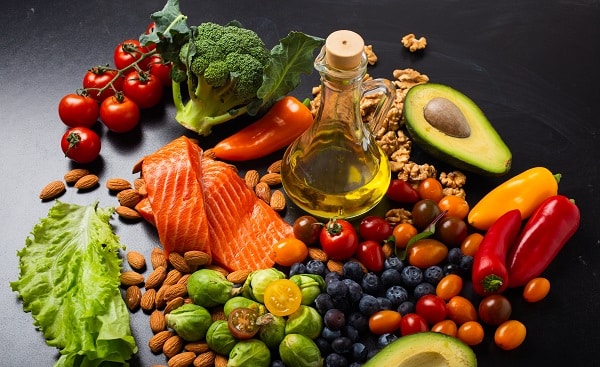
Consuming a diet rich in processed foods, sugars, and unhealthy fats is one of the fastest ways to age oneself prematurely. Foods high in sugar are particularly detrimental because they lead to glycation, which breaks down the collagen and elastin that keep skin looking young and firm. On the other hand, processed foods often contain additives and preservatives that promote inflammation, further aging the body and increasing the risk of chronic diseases.
Consider incorporating more whole foods into your daily meals to counteract the aging effects of a poor diet. Fruits, vegetables, and lean proteins are rich in essential nutrients that can offset inflammation and prevent oxidative stress. Equally important are vitamins and minerals like Vitamin C, Vitamin E, and zinc, which can repair damaged skin and boost collagen production.
Importance of Physical Activity
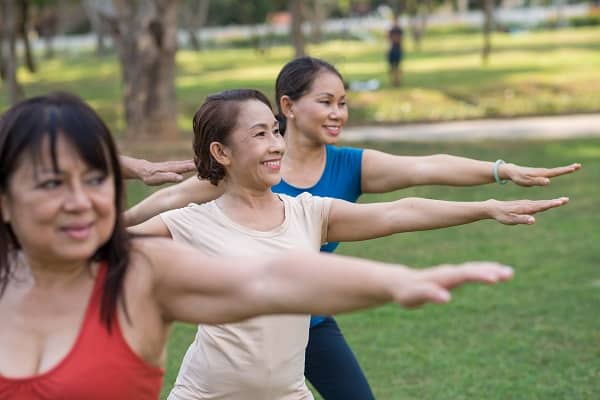
As people age, muscle mass declines, leading to frailty and decreased mobility. Engaging in regular resistance training can not only preserve muscle mass but also increase bone density, thus promoting overall well-being. Cardiovascular exercises like walking, running, or cycling can complement resistance training by improving heart health and endurance.
However, physical activity is not just about maintaining an optimal physique. Exercise releases endorphins, which serve as natural mood boosters and stress relievers. It also promotes better sleep quality, which, as discussed later, plays a crucial role in aging. Therefore, a balanced exercise regimen can contribute significantly to physical and mental health, delaying the signs of aging.
Stress and Mental Health
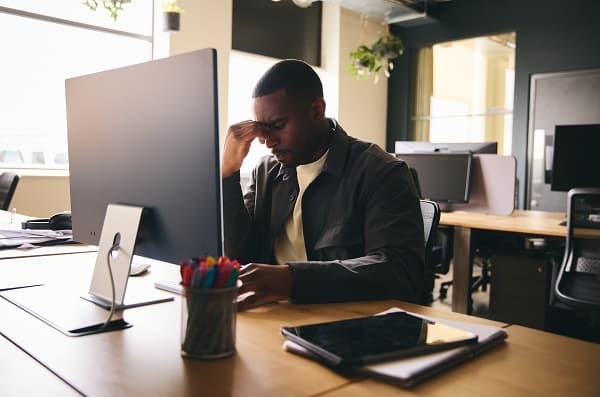
It’s no secret that stress can affect one’s appearance. Chronic stress leads to the shortening of telomeres, the caps at the end of DNA strands that protect cells from aging. As telomeres shorten, cells age faster and are more susceptible to damage. Stress also exacerbates skin conditions like acne and psoriasis, further aging one’s appearance.
Fortunately, managing stress can reverse some of these effects. Meditation, yoga, and even simple breathing exercises can reduce stress levels significantly. These practices improve mental well-being and promote a better hormonal balance. This, in turn, can decelerate the aging process by improving skin quality, boosting energy levels, and enhancing cognitive functions.
The Significance of Sleep

While it’s common knowledge that a lack of sleep can result in dark circles and puffy eyes, the consequences of poor sleep go much deeper. Sleep deprivation leads to reduced skin elasticity and accelerates the appearance of fine lines and wrinkles. This is because during the deep stages of sleep, particularly REM (Rapid Eye Movement), the body repairs itself, replacing old cells with new ones.
The role of sleep extends beyond just skin health. During sleep, the body produces melatonin, a hormone that has strong antioxidant properties, which help in combating the signs of aging. A proper sleep routine rejuvenates the mind and balances hormonal levels, making it an indispensable factor in anti-aging efforts.