Picture this: a reflection that defies time, offering a glimpse of youthful radiance even as the years pass by. Anti-aging products promise this allure, but the question that often arises is, when should one start incorporating these elixirs into their skincare routine? The timing can be a complex issue, influenced by various factors such as skin type, lifestyle, and even genetics. This post aims to unravel the mystery and offer a detailed guide to help you make an informed decision. From the science behind aging skin to the types of products available, you’ll find everything you need to know right here.
The Science Of Aging Skin
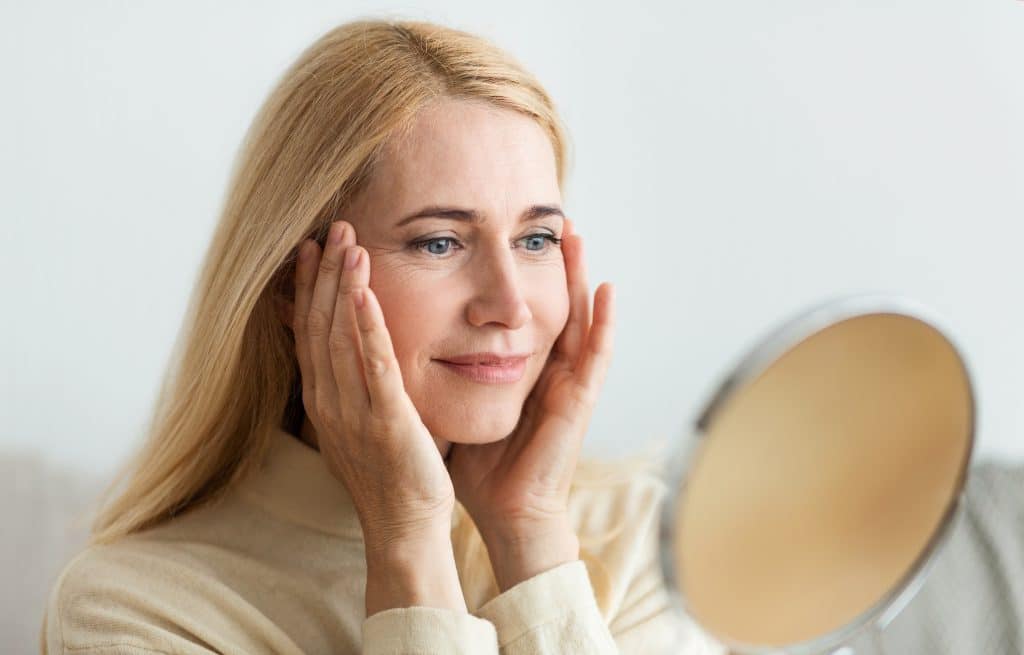
The skin is the body’s largest organ, and like any other part, it undergoes changes as you age. Collagen and elastin, the proteins responsible for skin’s youthful texture and elasticity, start to break down. This process can be further accelerated by external factors like sun exposure, pollution, and even lifestyle choices like smoking or poor diet. Understanding the science of skin aging is the first step in knowing how to combat it effectively.
But it’s not just about the biological aspects; environmental factors also play a significant role in how quickly your skin ages. Sun exposure is a major culprit, leading to premature wrinkles and age spots. Other factors like stress and lack of sleep can also contribute to accelerated aging. Knowing these factors can help you take preventative measures, setting the stage for when and how to start using anti-aging products.
Common Misconceptions About Anti-Aging Products
One of the most prevalent myths is that anti-aging products are exclusively for those who have already started showing signs of aging. This misconception can lead people to start their anti-aging routine later than would be ideal, missing out on the preventative benefits. Another common myth is that using these products too early can harm your skin, causing dependency or accelerating the aging process.
Debunking these myths is crucial for a more nuanced understanding of anti-aging skincare. For instance, many dermatologists recommend starting with a good sunscreen as early as your 20s, not just to prevent burns but also to fend off premature aging. Similarly, ingredients like retinoids and antioxidants can be beneficial for younger skin. Clearing up these misconceptions allows for a more informed approach to anti-aging.
The “Right” Age to Start

Determining the “right” age to start using anti-aging products is not a one-size-fits-all answer. Skin type, lifestyle, and even genetics can influence when you should start incorporating these products into your routine. For example, those with dry or sensitive skin may benefit from starting earlier, as their skin type is more prone to showing signs of aging, like fine lines and wrinkles.
However, it’s not just about age or skin type; it’s also about individual assessment. Paying attention to your skin’s specific needs and how it reacts to various environmental factors can provide valuable insights. Some may notice signs of aging in their late 20s, while others may not see them until their 40s. The key is to start when you notice changes; just don’t wait until these signs become more noticeable.